How to Reduce Your Summer Electricity Bill in Houston
For homeowners asking how to reduce electricity bill in summer Houston, the best starting point is often above the ceiling, not at the thermostat. A hot, under-insulated attic can push heat into living areas and make the air conditioner run longer. Start with the attic, then work through air leaks, ducts, HVAC settings, and daily habits.
Call EZ Attic Insulation at (713) 909-0390 for a Houston attic inspection
This attic-first approach is a focused companion to the Houston home energy savings guide. It is not a promise of a fixed bill reduction. It is a practical way to find the largest sources of summer cooling waste before spending time or money on lower-impact changes.
The Attic Is Usually the Cheapest Fix for High Summer Bills
Short answer: The attic is a smart first place to investigate because Houston heat reaches the roof and attic for hours every summer day. Thin insulation and open bypasses can transfer heat into the rooms below. Correcting those conditions may help the AC maintain comfort with less extended runtime.
Houston homes take a steady hit from intense sun, high outdoor temperatures, and humidity. The attic floor separates that environment from the conditioned rooms, so its condition affects how much work the cooling system must do. If insulation is thin, settled, wet, uneven, or missing around an attic access panel, the ceiling can become a high-impact path for heat gain.
Air leaks matter too. Common bypasses occur around plumbing penetrations, electrical wiring, recessed lights, duct boots, and the attic hatch. Insulation slows heat transfer, but it does not automatically close every opening. That is why an attic inspection should look at both the insulating layer and the places where conditioned air can escape.
The U.S. Environmental Protection Agency's ENERGY STAR program identifies high cooling bills, hot ceilings, uneven room temperatures, and drafty rooms as signs that an attic insulation project may be worthwhile. Its guidance also recommends sealing the attic before adding insulation. Read the ENERGY STAR attic insulation project guidance for the full safety and planning checklist.
For Houston homeowners, the practical order is simple: inspect first, correct safety or moisture problems, air seal accessible bypasses, then install or restore insulation to an appropriate level. EZ Attic Insulation can assess whether the attic needs removal and replacement, installation only, blown-in fiberglass, batt insulation, spray foam, or another combination.
How Much Can You Save by Improving Attic Insulation?
Short answer: There is no honest one-size-fits-all savings percentage for every Houston home. EZ Attic Insulation's verified guidance says proper attic insulation can reduce heating and cooling costs by up to 15%. Treat that as a maximum claim, not a guarantee. Results depend on the starting condition, air leakage, ducts, HVAC equipment, weather, and household use.
A home with little insulation, large air bypasses, duct problems, or rooms that stay hot may have more improvement potential than a newer home with an intact thermal envelope. The first monthly bill after a project can also be affected by outdoor temperature, thermostat settings, occupancy, appliance use, and the electricity plan. Compare similar billing periods rather than assuming one unusual month proves or disproves the upgrade.
Track the changes that matter:
- Electricity use and bill totals for comparable summer billing cycles.
- How long the AC runs on similarly hot days.
- Whether the thermostat reaches its setting and stays there.
- Room-to-room temperature differences, especially upstairs bedrooms.
- Humidity, comfort, and whether the system cycles normally.
For material selection, compare the job to the attic rather than choosing a product from a generic list. EZ Attic Insulation's attic insulation service covers removal, installation, and inspection options. Homeowners researching loose-fill coverage can also review the company's blown-in fiberglass insulation service.
Other Low-Cost Ways to Reduce Houston Electricity Bills
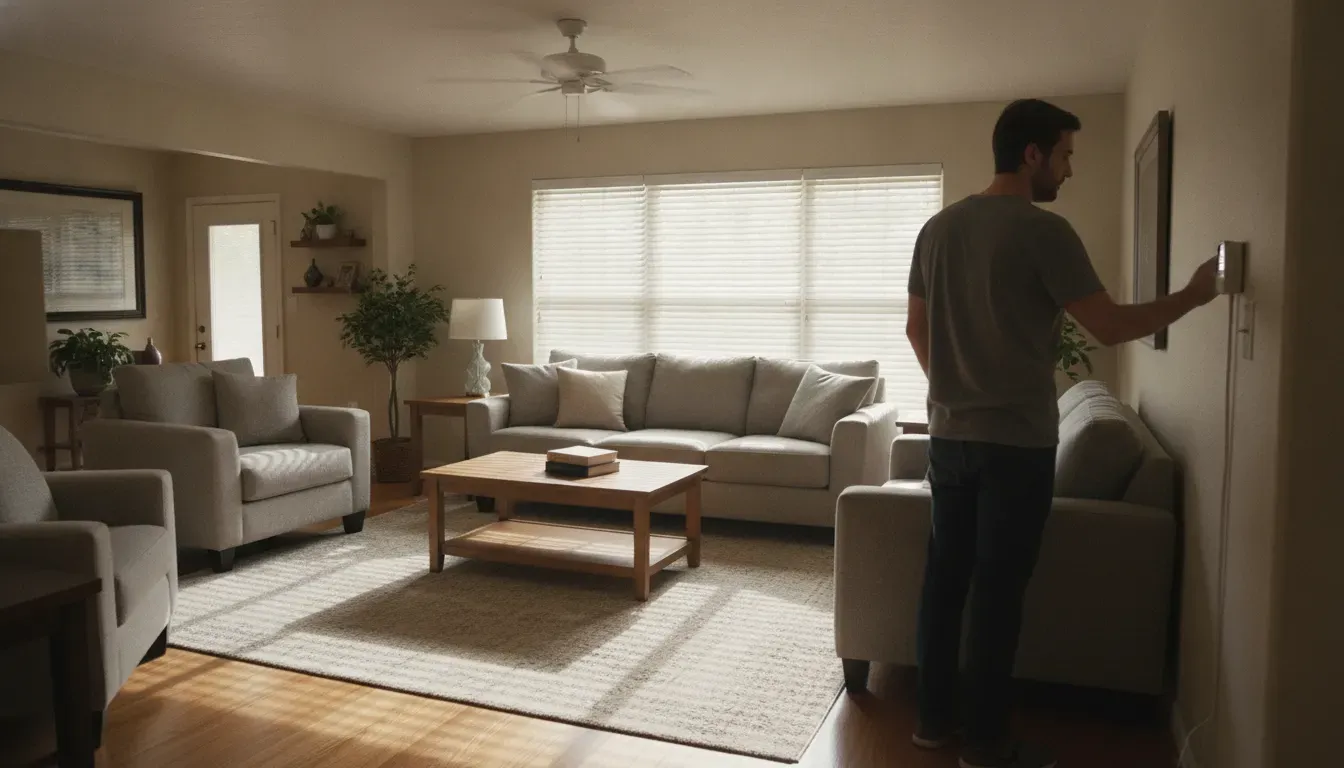
Short answer: After checking the attic, reduce cooling waste with simple actions that improve airflow and limit heat entering the home. Replace or clean the filter as directed, use ceiling fans only when rooms are occupied, block direct sun with shades, avoid adding cooking heat during the hottest hours, and schedule HVAC maintenance before peak demand.
These steps are useful, but they should not distract from a home with a serious attic or duct problem. Start with the biggest source of waste you can verify. The ENERGY STAR summer cooling guide recommends combining equipment maintenance, smart thermostat use, sealing and insulation, and fan strategies.
- Check the filter: A loaded filter restricts airflow and can make the system work harder. Follow the equipment and filter manufacturer's replacement guidance.
- Use a programmable or smart thermostat: Choose the highest temperature that remains comfortable, and use a schedule that matches when the home is occupied. Avoid extreme settings that force the system to chase a large temperature gap.
- Run ceiling fans only for people: Fans create a cooling breeze for occupants but do not lower the room temperature. Turn them off when the room is empty.
- Control solar heat: Close shades or blinds on sunny windows, especially during the strongest afternoon exposure.
- Protect the outdoor unit: Keep leaves, grass, and stored items away from the outdoor condenser so air can move freely. Do not block service clearances.
- Reduce indoor heat: Use the oven, dryer, and other heat-producing appliances during cooler parts of the day when practical.
- Review duct performance: Rooms that remain hot, weak airflow, or ducts located in a hot attic can point to a problem that a thermostat adjustment cannot solve.
Air Sealing vs. Insulation: Which Matters More in Houston?
Short answer: Air sealing and insulation address different energy losses, so one is not automatically better. Air sealing closes pathways for conditioned air to escape. Insulation slows heat movement through the ceiling. In many Houston attics, the strongest plan is to seal accessible bypasses first and then add or replace insulation where coverage is inadequate.
| Attic improvement | What it addresses | When it may be the priority |
|---|---|---|
| Air sealing | Gaps and penetrations that allow air movement around the attic hatch, top plates, wiring, plumbing, and duct openings. | When comfort varies by room, drafts are present, or conditioned air is escaping through visible bypasses. |
| Insulation | Heat transfer through the ceiling when the existing layer is thin, uneven, settled, damaged, or missing. | When ceilings feel hot, insulation coverage is poor, or the attic lacks a consistent thermal layer. |
| Duct correction | Heat gain, leakage, disconnection, or poor insulation affecting ducts in the attic. | When airflow is weak, rooms are uneven, or the AC runs without delivering consistent comfort. |
Energy upgrades work together, so air sealing, insulation, moisture control, ventilation, and duct performance should be considered as one home-comfort system. That systems view is important in Houston. Adding material over a moisture issue or ignoring a disconnected duct can waste the opportunity to improve comfort.
Attic ventilation is another separate consideration. It should be evaluated with the roof assembly, soffit and ridge vents, insulation placement, and moisture conditions in mind. Read EZ Attic Insulation's attic ventilation guide for background, but rely on an inspection for recommendations specific to your home.
A 5-Step Plan to Cut Your Summer CenterPoint Bill in Houston
Short answer: Use a staged plan: compare bills and comfort symptoms, inspect the attic, correct air and insulation problems, tune the cooling system and ducts, then measure results over comparable billing periods. This sequence keeps homeowners from changing several variables at once and losing track of which improvement helped.
- Start with the bill and the rooms: Note the billing period, electricity use if shown, weather, thermostat setting, AC runtime, and rooms that feel hottest. A high bill can reflect weather, occupancy, rates, equipment, or envelope problems, so do not blame the attic without checking.
- Inspect the attic safely: Look from the access point for thin or uneven insulation, damp material, visible gaps, blocked vents, damaged ductwork, and signs of pests or roof leaks. Do not walk on unsupported ceiling areas or disturb questionable material. Call a professional when access or safety is uncertain.
- Prioritize air sealing and insulation: Seal accessible bypasses, then restore a continuous insulation layer appropriate for the home. If the existing material is contaminated, wet, or damaged, removal may be necessary before new installation.
- Check HVAC and ducts: Replace the filter as directed, confirm supply and return airflow, and arrange professional maintenance when the system is struggling. Ducts that leak or sit in a hot attic can undermine an insulation improvement.
- Measure before making another change: Compare similar summer billing periods, comfort, runtime, and room temperatures. Keep a short log so you can tell whether the attic work, HVAC service, or daily habit made the meaningful difference.
Houston homeowners who want a broader decision framework can start with the Houston home energy savings pillar, then return here for the seasonal checklist. If radiant heat and attic temperature are part of the concern, the site's guide to reducing attic temperatures provides another useful reference.
Get a Houston attic inspection from EZ Attic Insulation at (713) 909-0390
Frequently Asked Questions About Summer Electricity Bills in Houston
Does attic insulation lower a Houston electric bill?
It can help lower heating and cooling costs when the attic is under-insulated or has uneven coverage, but savings vary by home. EZ Attic Insulation's verified maximum claim is up to 15% on heating and cooling costs, not a guaranteed result for every homeowner.
Should I air seal before adding attic insulation?
Usually, yes. Air sealing accessible bypasses before adding insulation helps limit air movement through ceiling penetrations. The exact sequence depends on the attic's moisture, wiring, ventilation, duct, and safety conditions.
Why is one room hotter than the rest of the house?
Possible causes include uneven insulation, air leakage, duct leakage, poor airflow, solar exposure, inadequate return air, or HVAC performance. An attic and duct inspection can narrow the cause before you choose a solution.
Can I reduce a CenterPoint bill by changing the thermostat alone?
A reasonable thermostat schedule can reduce cooling demand, but it cannot correct missing insulation, open air bypasses, disconnected ducts, or an equipment problem. Use thermostat adjustments as one part of an attic-first plan.
Does CenterPoint offer insulation incentives in Houston?
CenterPoint Energy publishes program information for Houston-area ceiling and attic insulation incentives. Eligibility, approved contractors, deadlines, and terms can change, so review the current CenterPoint insulation page before planning a project. EZ Attic Insulation does not promise eligibility or a specific incentive.
Ready to Reduce Summer Cooling Waste?
EZ Attic Insulation is locally and family-owned in Texas, 100% certified and insured, and serves homeowners across Greater Houston. The team can inspect the attic, explain what needs attention, and help you choose a practical next step. Hablamos Español!