Who Cleans Air Ducts? A Homeowner's Guide
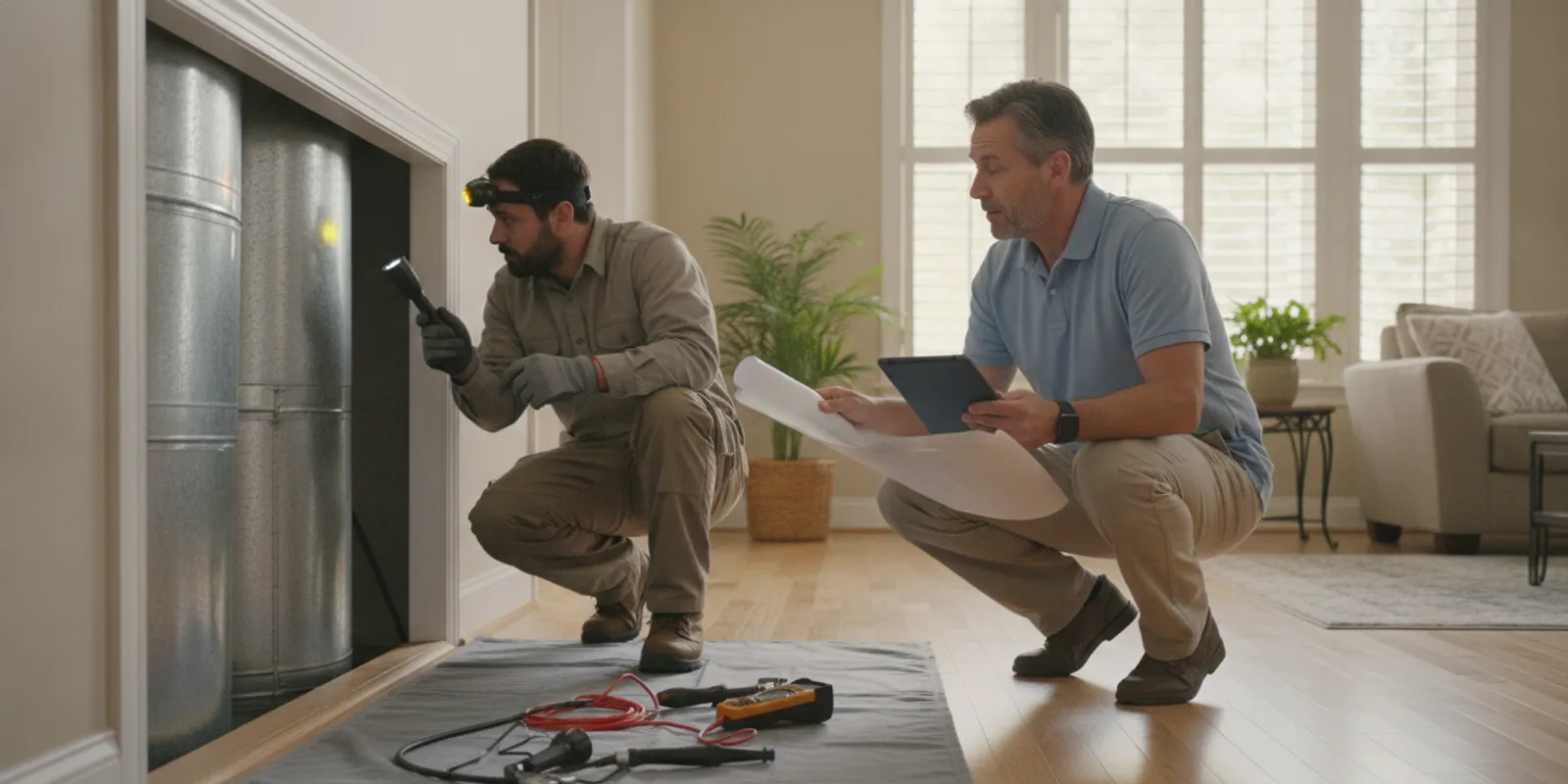
If dust seems to return quickly, rooms feel uneven, or you are comparing do-it-yourself work with professional help, you may be asking: who cleans air ducts? Residential air duct cleaning is performed by technicians who inspect and clean parts of a home's heating and cooling duct system with equipment intended for that work. A good provider explains what is included, protects the home, and does not promise results that cannot be guaranteed.
Who cleans air ducts in a home?
Homeowners usually hire a residential air duct cleaning provider. Some HVAC companies also offer duct cleaning, while others concentrate on heating and cooling repairs or maintenance. The label on a truck or website is not enough to tell you what a visit covers. Ask whether the company cleans residential ductwork, which parts of the system the technicians work on, and what happens if the initial inspection finds a different issue.
EZ Attic Insulation provides residential air duct cleaning in its Greater Houston service area. You can read about signs homeowners may want to examine their air ducts before discussing your own situation. The company is locally and family-owned in Texas and describes itself as 100% Certified & Insured. Hablamos Español! If you would rather discuss the work in Spanish, let the team know.
Air duct cleaning is distinct from diagnosing every heating or cooling problem. Dust, room-to-room temperature differences, weak airflow, unusual noise, or a filter that loads quickly can have more than one cause. Cleaning may be one possible step, but the symptom alone does not prove that the duct interior needs cleaning. If you have an equipment or airflow concern, explain it and ask whether an HVAC assessment is also appropriate.
What should a professional visit include?
A careful visit starts with a conversation about what you have noticed, followed by an inspection and a clear explanation of the proposed work. Before anyone begins, confirm the parts of the system included in the service. The word “ducts” can mean different areas to different providers, so get specific rather than assuming every component is part of the same appointment.
- Scope confirmation: Ask whether supply and return duct sections, registers, and other accessible components are included. Find out what is excluded and whether the provider will contact you before changing the work.
- Initial inspection: Ask what the technician will look at before cleaning, how findings affect the recommendation, and whether you can review concerns together.
- Home protection: Confirm how floors, furnishings, and nearby belongings will be protected and how dust or debris will be contained and removed.
- Equipment and method: Ask what equipment is used, how it reaches the components in the stated scope, and how collected debris is handled. The explanation should be understandable without relying on technical jargon.
- Completion review: Ask what the technician will show or explain after the work, how any inaccessible areas will be identified, and whether you will receive a summary of what was completed.
Also ask about access. A technician may need a clear path to registers, an air handler, or other parts of the system. If an access panel must be opened or a component is difficult to reach, ask how that will be handled and whether any repair or restoration is included. Cleaning, duct repair, duct replacement, and equipment maintenance are different tasks; a proposal should clearly separate them instead of implying that one automatically includes the others.
A written scope helps avoid misunderstandings. It can state the rooms or system sections involved, the expected sequence, any exclusions, and what the provider will do if conditions differ from what was visible at first. It also gives you a useful basis for asking follow-up questions and comparing one provider's proposal with another.
When might cleaning be worth considering?
Air duct cleaning is not automatically needed on a fixed schedule in every home. Visible debris or a particular concern may justify asking for an inspection, but dust on furniture by itself does not show that the ductwork needs cleaning. A Harvard Health article summarizing EPA guidance on air duct cleaning notes uncertainty about benefits and says cleaning is generally considered on an as-needed basis.
Start with the condition you can describe. For example, if you see material around a register, note which room it is in and whether it returns after you clean the accessible surface. If dust appeared after renovation work, tell the provider when the project took place and what areas were affected. If one room is stuffy or airflow seems weak, write down when you notice it and whether it changes when the system runs. These observations do not diagnose the cause, but they make the conversation more useful.
Ask the provider to connect its recommendation to the evidence. What was observed? Which part of the system does that observation concern? Would cleaning address that particular concern, or should another inspection come first? A responsible answer may include limits or a recommendation to investigate a separate HVAC issue rather than treating cleaning as a universal fix.
This is especially helpful when the concern is comfort. A warm room in a Houston home may make duct cleaning seem like an obvious answer, but uneven temperatures can have multiple explanations. Ask what the technician can assess within the cleaning visit and what requires another service. EZ Attic Insulation's HVAC service information is available for readers who need to consider an equipment-related question separately.
How can you compare air duct cleaning providers?
Compare the written scope and the quality of the answers, not just a short service label. When possible, ask each provider the same questions. That makes it easier to notice whether proposals describe similar work or whether one leaves important details open. Do not assume a lower or higher quote means the same work is being offered; clarify the contents of each proposal.
| What to compare | Questions to ask | A useful answer includes |
|---|---|---|
| Work area | Which ducts and components are included? | Named areas, access limits, and exclusions |
| Inspection | What do you check before starting? | A description of the initial review and how findings shape scope |
| Protection | How will you protect the home and clean up? | Practical steps for access, furnishings, and debris |
| Method | What equipment and process will you use? | A plain-language explanation tied to the work included |
| Changes | What if you find a concern outside the agreed scope? | Confirmation that you will be told before additional work is considered |
| Provider | Can you confirm certification and insurance? | Clear confirmation or documentation before scheduling |
| Wrap-up | How will we review what was completed? | A description of the final walkthrough or service summary |
Listen for direct answers. A provider should be able to explain what is and is not included without using fear or making sweeping promises about health, dust, or energy savings. Be cautious if a recommendation is based only on a brief visual impression, if the scope remains vague after you ask questions, or if the proposed work changes without an explanation.
You can review company information about EZ Attic Insulation and its overview of the service process, then ask about details that matter for your home. A certification or insurance statement is a useful starting point, but you should still confirm the planned work, who will perform it, and how you will be updated if the technician finds something unexpected.
Can you clean ducts yourself?
Some upkeep is within reach for homeowners. You can remove an accessible register cover if it is safe to do so, clean the cover, and wipe the surface you can reach without forcing tools into the duct. Follow the HVAC filter's instructions for replacement or cleaning. These steps address accessible surfaces and routine filter care; they do not clean the full duct network.
A household vacuum or a long improvised tool is not a substitute for equipment and a process designed for duct cleaning. Avoid pushing tools deep into ductwork, disturbing material you cannot identify, or attempting to open components you do not know how to handle. If you find damaged material, persistent debris, or something that appears unusual, stop and ask an appropriate professional to assess it.
Think of the DIY-versus-professional choice in terms of scope. Wiping a removable grille is a small, visible task. Cleaning sections throughout a connected duct system requires access, a plan for collecting debris, and care around HVAC components and the home. If the concern extends beyond the register, describe what you can see and ask whether an inspection is warranted rather than trying to reach farther into the system.
How can you prepare for a visit?
A few minutes of preparation can make an appointment more straightforward. Make a short list of rooms with concerns, when you first noticed them, and what you have already tried. Mention recent remodeling, visible debris, unusual smells, pets, or other details relevant to the area. Do not guess at a cause; a clear description of what happened is more useful than a diagnosis.
- Confirm the appointment scope. Review which areas are included and ask whether the provider needs access to specific rooms, equipment, or an attic entry.
- Clear a safe path. Move small items away from registers or access points if convenient. Ask before moving heavy furniture or disconnecting anything.
- Plan for household needs. Secure pets and tell the provider about access or scheduling considerations. Ask whether anyone should stay out of work areas while the service is underway.
- Keep your questions handy. Have the written proposal available and note any unresolved questions about the method, protection, exclusions, or final review.
- Walk through findings. Before work begins, confirm the agreed scope. At the end, ask what was completed and whether anything observed requires a separate follow-up.
If you are comparing general home-efficiency improvements too, review these home energy-efficiency ideas. Duct cleaning is one possible maintenance decision, not a replacement for investigating every comfort concern. The company's homeowner guides can also help you explore related topics and prepare practical questions.
What should Houston homeowners keep in mind?
Houston-area homes rely on cooling for much of the year, so it is understandable to look for a way to keep the system and rooms comfortable. Still, the right next step depends on the condition of the system and the issue you have noticed. A service provider should explain why it recommends cleaning in your specific case and be clear about what the work will—and will not—do.
EZ Attic Insulation serves Greater Houston communities including Houston, Sugar Land, The Woodlands, Pearland, Katy, Cypress, Spring, and Humble. For residents deciding whether to schedule, it can help to state the concern plainly, ask what is included, and request clarification before agreeing to work. You can also use the company's service-area information to consider whether your community is covered, or review available home services if you are weighing a separate issue.
For a clear comparison, keep a copy of the scope, the answers to your questions, and any notes from the visit together. If a provider recommends more than cleaning, ask what observation prompted the additional recommendation and whether it is a separate service. That simple record helps you make a decision based on the work proposed rather than on assumptions about the symptoms.
Ask About Residential Air Duct Cleaning
Frequently asked questions
Who should I hire to clean ducts in a house?
Choose a residential provider that can explain its inspection, scope, equipment, home-protection steps, and completion review. Confirm that the proposed service is appropriate for your home and ask for any important exclusions in writing.
Does duct cleaning fix poor airflow?
Not necessarily. Airflow concerns can have different causes, including an HVAC or duct issue. Describe the specific room and symptom, then ask whether a cleaning visit can assess it or whether a separate HVAC evaluation is appropriate.
How often should air ducts be cleaned?
There is no single interval that fits every home. Consider the system's condition and any specific concern, and ask a provider to explain why cleaning is recommended. EPA guidance summarized by Harvard Health favors considering cleaning as needed, rather than assuming every home needs it on an automatic schedule.
What should I ask before scheduling?
Ask which components are included, what the inspection covers, how the home will be protected, what equipment and methods are used, how the work is reviewed afterward, and how the provider handles findings outside the agreed scope.
Can I clean the ductwork with a household vacuum?
A household vacuum can help with accessible surfaces such as a removable register, but it does not clean the full duct network. Do not force a vacuum or tools deep into the system; ask a qualified provider about concerns beyond the areas you can safely reach.
Talk with a Texas insulation expert
To discuss residential duct cleaning for your Houston-area home, contact EZ Attic Insulation and explain what you have noticed. Hablamos Español! The team can help clarify the service scope and the next practical question to ask.
Call (713) 909-0390 to discuss your home
Before you decide, make sure you understand which parts of the system are included and what the visit can reasonably address.