Types of Roof Vents for Houston Attics
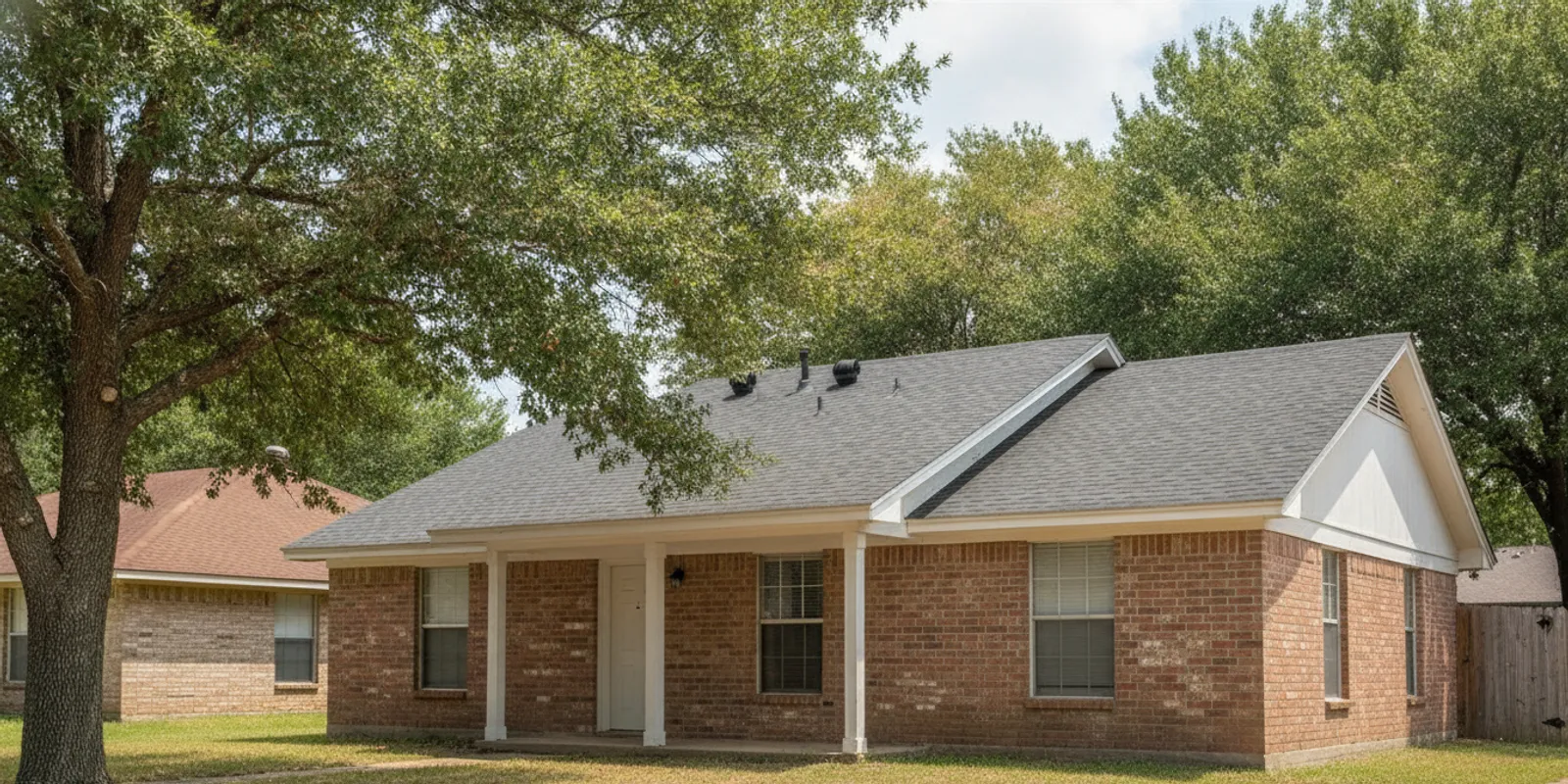
Choosing among the types of roof vents is not just a matter of picking the vent that looks familiar. A roof needs a way for air to enter the attic and a way for air to leave. Those openings have to work with the roof shape, the insulation, and the vents already in place. For Houston homeowners, a sound plan also has to account for heat, humidity, and wind-driven rain, not just the vent style. If the attic is already part of a comfort project, start with the home's roof ventilation installation options and compare them against the vents you can see from the ground.
Book Now to discuss your attic
Why do roof vents matter in a Houston home?
Roof vents are openings or devices that help move air through an attic. In a typical passive arrangement, outdoor air enters through lower openings near the eaves and warmer attic air can leave through higher openings near the ridge or roof surface. The exact arrangement varies by home. Vents are not a replacement for insulation, air sealing, or moisture management, and adding more openings does not automatically improve performance.
Houston's long, hot season makes attic conditions an understandable concern. An attic that feels hot on a summer afternoon is not, by itself, proof that a particular vent is missing. Insulation depth and condition, gaps between the living space and attic, blocked intake paths, roof design, and mechanical equipment can all affect what a homeowner notices. The useful first step is to understand the existing system and identify what is limiting it.
Roof penetrations also need careful attention because they pass through the roof covering. The InterNACHI roof-penetration guide describes vents as common roof penetrations and discusses several vent types. Any new opening must be selected and installed with the roof assembly and weather protection in mind.
What are the main types of roof vents?
Homeowners may hear terms such as ridge vent, box vent, turbine, gable vent, and powered attic fan. They are not all interchangeable. Some vents are designed to exhaust attic air, some can provide intake depending on location and system design, and some use a motor to move air. A vent's name alone does not tell you whether it is appropriate for a particular roof.
| Vent type | Typical location and operation | Questions to ask |
|---|---|---|
| Ridge vent | Runs along a roof peak and provides a continuous high exhaust opening when paired with suitable intake. | Does the roof have a usable ridge, and is intake airflow available? |
| Static roof vent (box vent) | One or more fixed roof openings, usually placed high on the roof, that allow passive exhaust. | Are the number and placement appropriate for the roof and existing system? |
| Turbine vent | A roof-mounted turbine that rotates with wind and supports passive air movement. | Is it in good condition, and is the system balanced with intake? |
| Gable vent | An opening in a gable wall that can allow air movement across the attic, depending on wind and layout. | Will it work with the roof's other exhaust vents or create competing airflow? |
| Powered attic vent | A fan mechanically moves air through an attic when activated. | Is there enough intentional intake, and is electrical control appropriate? |
| Soffit or eave vent | A low opening that commonly serves as an intake path for outdoor air. | Is it open, screened, and clear of insulation blockage? |
How does a ridge vent compare with box vents?
A ridge vent is installed along the roof peak. Because it can extend along much of the ridge, it offers a continuous high-level exhaust path rather than relying on isolated openings. It is often considered where the roof has a suitable ridge and the system can bring air in from lower intake vents. The ridge opening must be properly detailed and protected from weather. A ridge vent does not create a complete system if intake is absent or blocked.
Box vents, sometimes called static vents, are individual fixed vents installed high on the roof. They have no moving parts and rely on passive airflow. A roof may have several, depending on its layout and the system design. Their number and placement should not be guessed from a quick glance: roof geometry, existing vent area, and intake all matter. More box vents are not automatically better, especially if they are added without understanding how other vents are functioning.
When comparing these options, consider the roof shape first. A long, unobstructed ridge may make a continuous ridge vent a practical option. A roof with several hips, short ridges, or architectural constraints may call for another approach. The right answer comes from evaluating the actual roof and attic, not from treating one vent style as a universal upgrade.
What do turbine and gable vents do?
A turbine vent has a rotating top. Wind can turn the turbine and help draw air from the attic. It is a passive device rather than a powered fan, but it still has moving parts that may need inspection if the turbine becomes noisy, stiff, or visibly damaged. Its performance depends on the device's condition and local airflow. It should not be assumed to solve a ventilation problem on its own.
A gable vent is set into the triangular wall at the end of a gable roof. Depending on wind direction, opening size, and attic layout, it may allow air to move through the attic. Gable vents can be part of a design, but they may not create uniform airflow throughout every part of a roof. If a home also has ridge or roof exhaust vents, an assessment should consider how those openings interact. Mixing vent types without a plan can lead to air taking an unintended route rather than moving through the attic as intended.
Both styles need intact screens and appropriate weather protection. From the ground, you can look for visible damage or an obstruction. Do not climb onto a roof to inspect or clear a vent unless you are properly equipped and trained.
When might a powered attic vent make sense?
A powered attic vent uses a fan to move air. Some models are controlled by a thermostat or other control. A fan is different from passive roof vents because it actively moves air, so its intake path and installation details deserve attention. If there is not enough deliberate outdoor-air intake, a fan may pull air from unintended places, including gaps between the home and attic. That is one reason a homeowner should not choose a fan solely because the attic feels warm.
Before considering a powered unit, ask what condition it is meant to address, how air will enter the attic, and whether existing vents will work with it. Also ask how the fan is controlled, what electrical work is involved, and how the roof penetration will be protected. A fan is not a substitute for correcting blocked soffit vents, gaps in the ceiling plane, or insulation that needs attention.
If you are comparing fan options, see this explanation of how an attic fan works. It helps separate what a fan can do from the larger question of whether the whole attic has a suitable airflow path.
Why are intake vents as important as exhaust vents?
Exhaust gets much of the attention because roof vents are visible from outside. Air needs a path into the attic, too. Soffit and eave vents are common lower intake points. If insulation has been pushed over them, screens are clogged, or the roof design has few intake openings, air may not move as planned. A balanced system considers the intake and exhaust together rather than adding exhaust alone.
Look for these issues from a safe position:
- Blocked eaves: Insulation can cover an intake opening from inside the attic. Baffles can help preserve an air channel where appropriate.
- Damaged or obstructed screens: Debris, paint, or damage may reduce the opening available for airflow.
- Unclear vent mix: Several different exhaust styles may have been installed over time. Their locations and paths should be reviewed as a system.
- Visible roof damage: A loose, bent, or deteriorated vent deserves attention because it is also part of the roof's weather barrier.
Do not block a vent to change airflow, and do not assume that a larger vent or additional roof opening is the answer. A careful review can identify whether the issue is intake, exhaust, obstruction, air leakage, insulation, or something outside ventilation altogether.
How can Houston homeowners compare types of roof vents?
Start with the roof you have. A gable roof, hip roof, and complex roof with multiple planes do not offer the same locations for vents. Note where existing vents are located and whether the home appears to have soffit or eave openings. Then consider what prompted the question: persistent discomfort, visible moisture, a planned roof project, or simply an older vent. Those clues help frame an inspection, but they do not diagnose the cause by themselves.
- Map what is already there. From the ground, note ridge lines, roof vents, turbines, gable openings, and eaves. Avoid climbing the roof.
- Ask how intake and exhaust are balanced. A proposal should explain both sides of the airflow path, not just name an exhaust product.
- Check for obstructions and attic conditions. Insulation blocking an intake or an unrelated air leak can change the best next step.
- Consider roof compatibility and weather detailing. Ask how the vent fits the roof material and how the opening will be protected against water intrusion.
- Request a clear scope. Understand which vents are being added, removed, or left in place, and why that configuration suits the home.
For a broader view of attic heat, read ways to reduce attic temperatures. If insulation is also part of the concern, review blown-in fiberglass insulation separately rather than assuming vents alone will solve it. The difference between adding airflow and adding insulation is covered in attic ventilation versus insulation.
What roof-vent mistakes should homeowners avoid?
A common mistake is treating a vent as a standalone product instead of one part of an airflow path. A new exhaust opening may not address blocked or missing intake. Likewise, replacing a vent with a different style without checking nearby openings can change how air moves through the attic. Ask for the reasoning behind the proposed configuration and how the contractor will confirm existing vents are accounted for.
Another mistake is assuming that a powered fan is always an upgrade. The fan needs a suitable intake route and an appropriate control, and it may not address air leaks or insufficient insulation. A homeowner should understand what problem it is meant to solve before approving a change. If the original concern is a warm upstairs room, ask whether the attic and the ceiling below it have been checked for other contributing conditions.
Finally, do not overlook the roof opening itself. A vent that is poorly matched to the roof or improperly weather-detailed can create a water-entry concern. Ask which openings will be cut or reused, how the work will protect the roof covering, and what will happen to old openings. A clear scope helps you compare plans on more than the number of vents or the device name.
What should you ask during a ventilation assessment?
A useful assessment should connect the recommendation to observable conditions in the home. Ask whether the current vents are intake or exhaust, where air is expected to enter and leave, and whether existing openings are blocked. Ask whether the roof shape limits particular vent choices. If the recommendation includes a powered fan, ask about its intake needs, control, and electrical installation. If new roof penetrations are proposed, ask how their placement and weather detailing will be handled.
It is also reasonable to ask whether insulation or air leakage should be addressed before, alongside, or instead of a vent change. EZ Attic Insulation describes its attic insulation process and offers attic insulation for Greater Houston homes. The goal is a recommendation that fits the attic, not a preset vent package.
EZ Attic Insulation is locally and family-owned in Tomball, serves Greater Houston, and leads with Texas Insulation Experts. The company states that it is 100% Certified & Insured and holds a BBB A+ accreditation. The team has insulated more than 1,000 homes. Hablamos Espanol! Homeowners can also review the company's company information when comparing providers. Veteran, military, and first responder discounts are available.
Get a quote for your attic project
Frequently asked questions
Which roof vent is best for a Houston attic?
There is no single best choice for every home. Roof shape, existing intake and exhaust, obstructions, insulation, and the condition the homeowner wants to address all matter. A review of the full system is more useful than selecting a vent by name alone.
Can I add a roof vent without adding soffit vents?
Do not assume that adding an exhaust vent by itself will create a balanced system. The attic needs a suitable way for air to enter as well as leave. Have the existing intake openings and their condition checked before changing the exhaust side.
Are turbine vents better than static vents?
Neither style is automatically better. A turbine has a moving part that wind can turn, while a static vent has no moving parts and relies on passive airflow. Roof layout, vent condition, intake, and the overall design determine which option fits a specific home.
Does a hot attic mean I need a powered attic fan?
No. A hot attic alone does not identify the cause or prove a powered fan is the right fix. Insulation, air leakage, blocked intake, roof design, and other conditions should be considered before choosing equipment.
Should I inspect roof vents from the roof?
Homeowners can look for obvious damage from the ground, but roof access carries a fall risk. Leave roof-level inspection and repair to people with appropriate training and equipment.
Talk with a Texas insulation expert
Contact EZ Attic Insulation to discuss your roof ventilation
Compare the full airflow path before choosing a vent, and make sure the solution fits your roof and attic. EZ Attic Insulation serves Houston, Sugar Land, The Woodlands, Pearland, Katy, Cypress, Spring, and Humble.