Solar Attic Fan vs Electric Attic Fan: Which Is Right for Your Home?
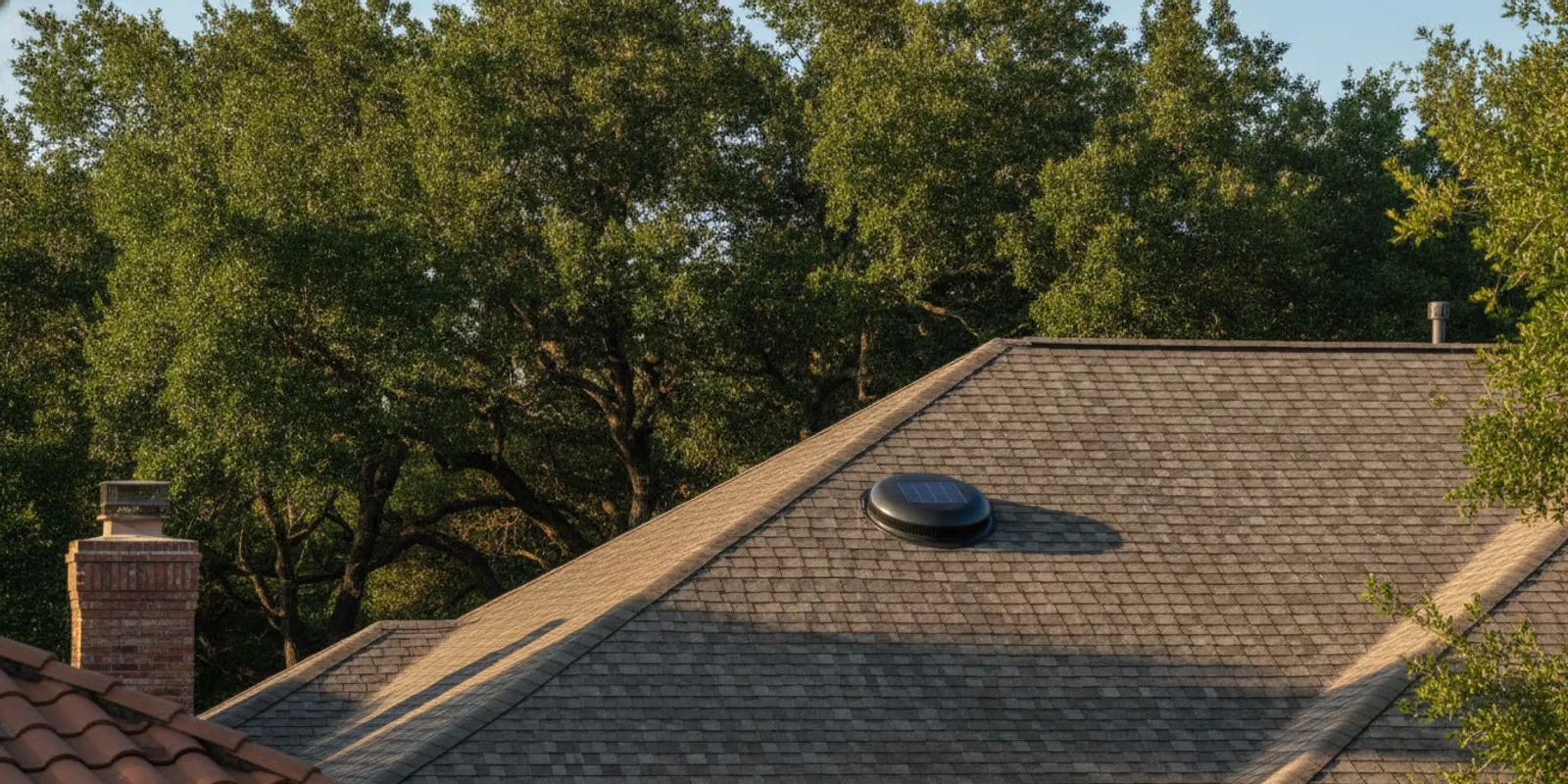
When comparing a solar attic fan vs electric attic fan, the first question is not simply which one moves more air. The right option depends on how it gets power, how it is controlled, whether the attic has enough intake ventilation, and what condition the insulation is in. In Houston, where hot weather puts roofs and attics under pressure, those details matter more than a one-size-fits-all answer.
Talk with our team about your attic
How does a solar attic fan vs electric attic fan comparison start?
Both fan types are designed to move air out of an attic. The key difference is where their operating power comes from. A solar attic fan uses a rooftop solar panel to power its motor. A conventional electric attic fan draws power from a home's electrical system. Some models include controls or features that affect when the fan runs, so the product specifications and installation plan matter.
A solar unit may be a fit when a homeowner wants a fan powered by sunlight and the roof can accommodate the panel and fan assembly. An electric model may be considered when the homeowner prefers a fan connected to household power or wants operating controls that do not depend on available sunlight. Neither description makes one option automatically better for every house.
The U.S. Department of Energy's Building America Solution Center describes a solar-powered attic fan as running when the sun is shining and not drawing power from the home's electrical system. That distinction helps explain the power-source difference, but it does not determine which fan will suit a particular attic.
What is different about the power source?
| Factor | Solar attic fan | Electric attic fan |
|---|---|---|
| Power source | Rooftop solar panel supplies power | Connected to the home's electrical system |
| Sunlight dependence | Output depends on the model and available sunlight | Does not rely on sunlight for electricity |
| Wiring considerations | Panel and fan placement, roof details, and product requirements need review | Electrical connection and suitable controls need review |
| Operating controls | Features vary; check whether the model includes a thermostat or other control | Features vary; confirm how the fan is switched or controlled |
| Good first question | Can the panel be positioned appropriately for this roof? | Is the electrical connection and control plan appropriate for this home? |
| Shared requirement | Evaluate attic intake ventilation, existing exhaust, insulation, and the home's needs before choosing either type. |
Solar fans are often discussed as a way to avoid drawing operating power from household electricity, but sunlight availability and product design still matter. An electric fan can operate without solar exposure, but it depends on an electrical connection and appropriate controls. Ask an installer to explain the proposed equipment and what its controls do rather than assuming all fans in a category behave alike.
How do installation considerations compare?
A solar fan typically requires a suitable place for the solar panel and fan assembly on the roof. The installer should consider the roof layout, equipment location, weather exposure, and the product's installation requirements. Shading or an unsuitable position can affect the solar panel's ability to power the fan. A homeowner should also ask how the installation will be sealed and coordinated with the existing roof and attic ventilation.
An electric fan requires a plan for connecting the unit to household power and operating it with the intended control. The wiring and installation should be handled according to the equipment's requirements and applicable electrical and building rules. Ask who is responsible for the electrical work and whether any additional work is needed before the fan can operate.
For either type, the fan should not be treated as a stand-alone attic solution. A professional should look at how air can enter the attic as exhaust air leaves. If there is not enough intake ventilation, adding an exhaust fan alone may not produce the intended airflow. The existing exhaust openings, attic layout, and other ventilation equipment should be considered together.
Before approving work, ask the installer to explain the fan's location, the planned power connection, required controls, intake-air path, and how the installation fits the attic as a whole. EZ Attic Insulation outlines its general approach on the attic insulation process page. Fan-specific installation details should be confirmed for the particular product and roof.
What should you check in the attic before choosing a fan?
Start by separating the symptom from the possible cause. A hot upstairs room, a warm attic, or a fan that seems to run constantly does not by itself show that a new fan is the answer. Ask for an attic review that considers ventilation openings, insulation coverage and condition, roof configuration, and any signs of moisture or pest activity. Record which rooms feel uncomfortable and when the problem is most noticeable. Those observations give the installer useful context without assuming a diagnosis.
Next, trace the airflow path. Where does outside air enter the attic, and where does it leave? Are intake vents blocked by insulation or stored items? Are there existing exhaust vents or another fan? The assessment should account for all of these openings as a system. A proposed powered exhaust fan should not be evaluated in isolation from the intake capacity and the other ventilation already in place.
Finally, ask what should be corrected before a fan is installed. For example, displaced or damaged insulation may need attention, and a blocked intake path may need to be cleared or addressed. The sequence matters: installing equipment before identifying an obstruction or another attic issue can leave the underlying concern unresolved. Request a plain-language explanation of what the inspection found and why the proposed work follows from it.
What role do controls play?
Controls affect when a fan runs, so they are part of choosing equipment rather than a minor add-on. Depending on the product, a fan may use a thermostat, a humidistat, a manual switch, or a combination of controls. Not every model includes the same features. Confirm the control type and its settings with the installer, and ask how the fan behaves when the desired conditions are not present.
A solar-powered unit's operation is connected to the solar panel's available power, though specific product designs can differ. An electric fan has a household electrical source, but its runtime still depends on its control setup. Ask whether the fan is intended to run continuously or only under particular conditions. Also ask how controls are adjusted and what routine checks the manufacturer recommends.
In Houston's warm, humid climate, the goal is a ventilation plan appropriate to the specific attic, not simply a fan that runs as often as possible. An installer should consider the attic's intake and exhaust arrangement and whether the fan could affect the home's existing ventilation balance. If the attic has moisture concerns, ask how those will be assessed instead of assuming a fan alone will resolve them.
Which maintenance questions should homeowners ask?
Both options have components that should be inspected according to the manufacturer's instructions. A solar fan's panel and exterior fan assembly are exposed to weather. Ask how to check for visible debris, damage, or anything that may obstruct the panel, and whether the manufacturer specifies cleaning or service intervals. Do not climb onto a roof unless you can do so safely; a qualified professional can advise on inspection.
An electric fan also has an exterior assembly and a motor, and its electrical connection and controls are part of the system. Ask what signs of a problem to watch for, what service is recommended, and who to contact if the fan stops or makes an unusual sound. For either type, keep the model information and installation details so future maintenance can be matched to the equipment.
Maintenance is not a reason to assume one type will always be simpler or more reliable. Product construction, installation quality, roof conditions, and access all affect what is involved. Compare the specific models under consideration and get the maintenance expectations in writing.
Does an attic fan replace insulation?
No. Ventilation and insulation address different parts of attic performance. A fan moves air through an attic when its design and conditions allow. Insulation helps slow heat transfer between the attic and the living space. If insulation is thin, damaged, displaced, or contaminated, adding a fan does not repair that condition.
Likewise, insulation work does not automatically correct a ventilation problem. A careful assessment should consider both the insulation and the paths that let air enter and leave the attic. Homeowners can read about attic ventilation basics and review the company's information on blow-in insulation before discussing options. Those topics are related, but the right solution depends on what an inspection finds in the home.
Look for signs that call for an assessment: rooms that remain uncomfortable, insulation that appears old or disturbed, visible moisture concerns, or evidence of pests in the attic. These signs do not diagnose the cause on their own. They are useful details to share with a qualified professional.
How should Houston homeowners choose between the two?
Start with the attic, not the product category. A useful evaluation should consider the home's ventilation layout, available intake air, current insulation condition, roof configuration, and the homeowner's priorities. Then compare specific models and installation plans. The questions below can help make that discussion practical:
- What problem is the fan meant to address? Ask the installer to state the goal in plain terms and explain how it will be assessed.
- Is the intake path adequate? Ask how air enters the attic and whether the proposed exhaust fan works with that arrangement.
- Where will the fan and power source go? For solar, discuss panel placement and sun exposure. For electric, discuss the wiring and controls.
- What will make the fan run? Review the thermostat, humidistat, switch, or other control included with the exact model.
- What happens during cloudy conditions or a power interruption? Ask how the proposed unit behaves under those conditions and what the manufacturer specifies.
- What maintenance is expected? Request the product's care instructions and ask what parts need periodic inspection.
- Does the attic need other work first? Have insulation condition, moisture concerns, and existing ventilation reviewed before adding equipment.
It can help to compare actual proposals side by side instead of comparing broad labels. Write down the model name, stated capacity, control type, proposed location, power plan, and any changes to existing vents. Then ask the installer to explain differences that affect your particular roof and attic. If one proposal includes an additional control or preparatory work, have the purpose and expected operation explained before deciding.
For example, a roof with a shaded area may make the proposed solar-panel location an important question, while an electric unit may prompt questions about the route and scope of its electrical connection. A home with existing powered exhaust also calls for discussion of how the new fan would work with that equipment. These are not automatic reasons to reject either type; they are practical details to resolve for the specific installation.
EZ Attic Insulation serves Greater Houston homeowners with attic insulation removal and blow-in insulation work. If the assessment points to insulation concerns, learn about the company's blown-in fiberglass insulation service and review its current attic and home-comfort services. The team is 100% certified and insured, and the company is BBB A+ accredited. Hablamos Español!
Frequently asked questions about solar and electric attic fans
Does a solar attic fan use electricity from the house?
A solar-powered attic fan uses a solar panel to supply power and, as the U.S. Department of Energy's Building America Solution Center notes, a solar fan runs when the sun is shining without drawing power from the home's electrical system. Check the exact product specifications because features and operating details differ by model.
Will an electric attic fan work at night?
An electric model draws power from the home's electrical system rather than relying on sunlight. Whether it runs at night depends on its control settings and the conditions those controls respond to. Ask the installer to demonstrate or explain the control sequence for the exact fan.
Can I add a fan without checking the attic vents?
It is better to assess intake and exhaust ventilation together. The fan needs an appropriate path for air to enter as it exhausts air. Ask a qualified professional to review existing vents and the full attic layout before selecting equipment.
Will an attic fan fix uncomfortable rooms or high energy bills?
There is no single answer for every home. Comfort and energy use can relate to insulation, air movement, the building envelope, HVAC operation, and other conditions. A fan should not be presented as a guaranteed fix. An assessment can help identify whether ventilation, insulation, or another issue needs attention.
Which type is best for every Houston home?
Neither type is universally best. Roof layout, sun exposure, electrical access, controls, ventilation balance, and insulation condition all affect the decision. Compare specific equipment and a home-specific installation plan rather than choosing on the power source alone.
Talk with a Texas insulation expert
Start with a clear assessment of ventilation and insulation, then choose equipment that fits your home's conditions and your priorities.