Remove Blown Insulation: What Houston Homeowners Should Know
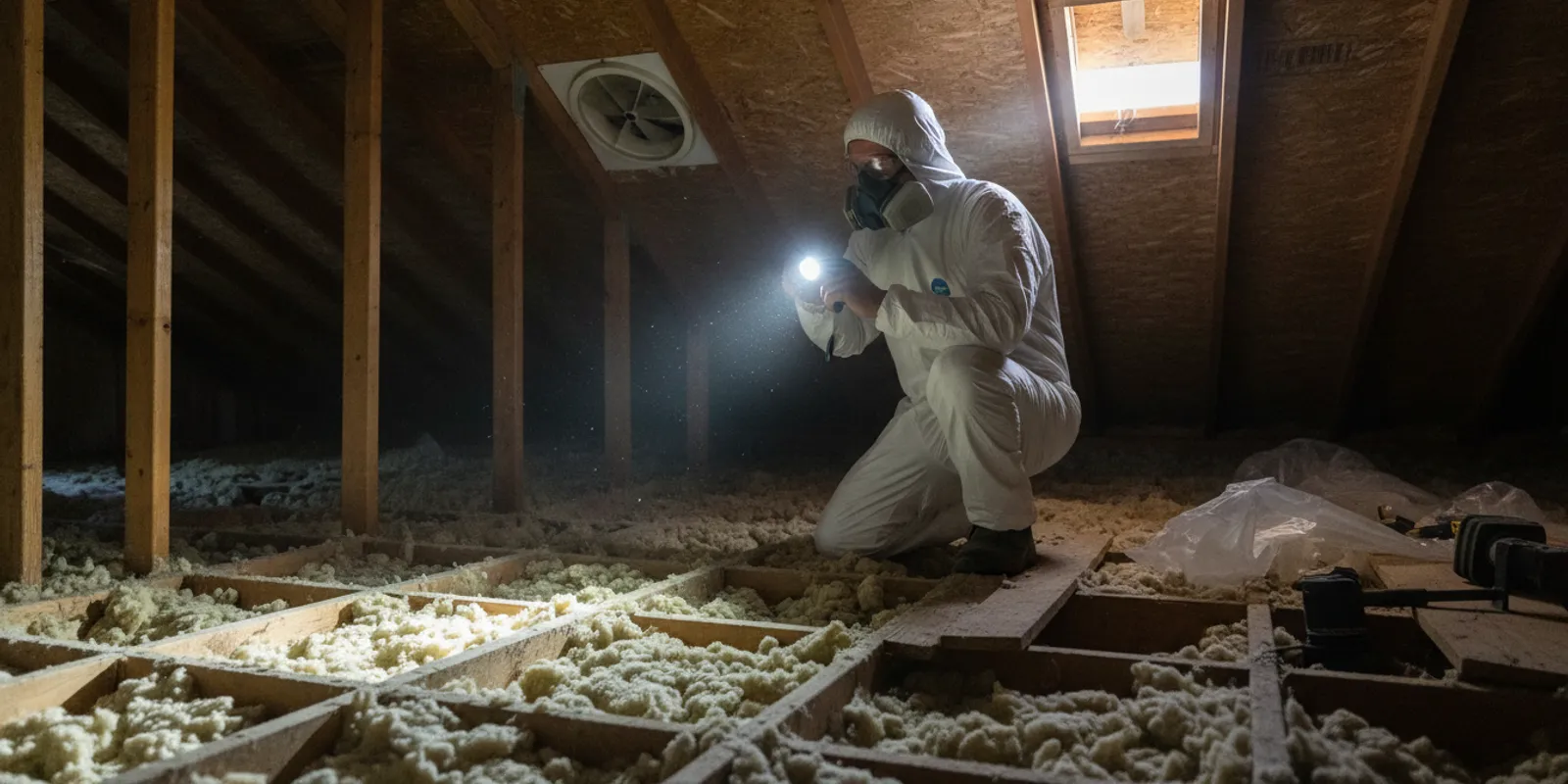
When an attic is dusty, uneven, or no longer helping your home stay comfortable, you may wonder whether to remove blown insulation or add material over it. The right choice depends on the insulation's condition, the attic's moisture and air-leak issues, and whether the work area can be handled safely. For Houston homeowners, a careful inspection matters: removing material without addressing the reason it became damaged can leave the same problem behind.
Call to discuss your attic insulation
When should you remove blown insulation?
Blown-in insulation does not have to be removed just because it is old or looks compressed in one spot. In some attics, existing material can remain in place while other work is completed or additional insulation is installed. Removal is more likely to be considered when the material is wet, contaminated, badly displaced, or obstructing necessary repairs. An assessment should look at the whole attic rather than treating age or appearance alone as a reason to remove everything.
Look for clues from inside the home and from a safe, accessible attic entry. A persistent musty odor, visible water staining, evidence of pests, or insulation that is clumped and damp can indicate a condition that needs investigation. Gaps, bare areas, or material piled away from the edges may point to uneven coverage. These observations are reasons to inspect further; they do not by themselves identify the source or establish that full removal is needed.
- Moisture or water damage: Find and address the source of moisture before deciding what to do with affected insulation. Simply covering damp material can conceal an ongoing issue.
- Animal or pest contamination: Droppings, nesting material, or a strong persistent odor call for a careful evaluation and appropriate handling. Avoid stirring up debris.
- Renovation or attic repairs: Roof, wiring, or other planned work may require access to areas currently covered by insulation.
- Significant displacement or debris: Material that has shifted substantially may leave important areas uncovered or make inspection and repair difficult.
- Uncertain material or condition: If you cannot identify what is in the attic or whether it is safe to disturb, do not rake, vacuum, or bag it yourself.
Not every concern means all insulation must go. A qualified assessment can distinguish a localized problem from a condition affecting a broader part of the attic. If a roof leak, plumbing issue, ventilation concern, or air leak contributed to the problem, that cause should be considered in the work plan. Removal alone cannot correct a leak or prevent a repeat issue.
What should you check before making a decision?
Start by noting what you have observed without moving the insulation. Where is the odor strongest? Are there water marks on the ceiling or roof framing? Does one room feel different from the others? Has a roof or mechanical repair recently taken place? These details help an inspector focus on the right areas and make it easier to explain your concerns.
Do not walk across an attic floor unless you know where the framing and safe walking surfaces are. Ceiling drywall can be hidden under loose insulation, and stepping in the wrong place can cause a fall or damage. Do not touch exposed wiring, move equipment, or disturb animal waste. If access is difficult, the attic is very hot, or you are unsure what a material is, leave the inspection to an appropriately equipped professional.
Take note of the home's comfort patterns as well. Record which rooms feel too warm, whether the problem is present all day or at particular times, and whether the heating or cooling system seems to run longer than usual. Those details do not prove insulation is the cause; air leakage, ducts, shading, equipment, and other conditions can also affect comfort. The U.S. Department of Energy provides general home energy information, but a site-specific attic evaluation is needed to determine what work suits your home.
For context on other possible signs, see our guide to signs attic insulation may need attention. If the concern is moisture, our article on wet attic insulation explains why it is important to investigate the source rather than simply covering the material.
How does removal and replacement typically work?
A remove-and-blow project generally begins with an evaluation of the attic and the areas you want addressed. The person assessing the space should note insulation type and condition, access, visible moisture or contamination, attic openings, and any obstructions that affect the work. Ask what the inspection found and which observations support removal. A clear explanation helps you understand whether the recommendation is for a section or the broader attic.
- Review the scope. Confirm which attic areas are included, what existing material will be removed, and whether the work involves new blown-in insulation afterward. Ask how the crew will handle access and protect the home.
- Prepare the work area. The work plan should account for the attic hatch, nearby belongings, and the route used to bring equipment in and out. Follow the provider's instructions about clearing the access area.
- Remove material as agreed. Removal methods and equipment depend on the attic and material. The work should be performed with appropriate protective practices, rather than by casually stirring up loose fibers or debris.
- Inspect exposed areas. Once material is cleared where planned, the attic may be easier to evaluate for visible issues that were previously covered. Discuss any newly observed condition before expanding the scope.
- Address relevant underlying issues. If the assessment identifies a leak or another problem outside the agreed insulation work, clarify who will address it and when. Do not assume insulation removal repairs other building components.
- Install the agreed replacement material, if included. Confirm the material and intended coverage before installation. The plan should account for attic features and keep access to equipment and required clearances in mind.
- Review the completed work. Ask what was removed, what was installed, and whether any areas were excluded. A walk-through or clear explanation gives you a record of the scope completed.
Details vary by home, attic access, material condition, and project scope. Before work starts, understand what is included and what is not. If the contractor finds a condition that changes the plan, pause to review the change rather than relying on assumptions.
Should you remove insulation or add more on top?
These options are not interchangeable in every situation. Adding material over existing insulation may be considered when the existing layer is suitable to remain and the attic conditions allow it. Removal and replacement may be considered when the old material or the attic condition makes leaving it in place inappropriate, or when the project requires clearing the area. The best choice follows the assessment, not a one-size-fits-all rule.
| Approach | May be considered when | Key question to ask |
|---|---|---|
| Leave existing insulation in place | The material appears suitable to remain and no planned work requires clearing it. | Are there any moisture, contamination, or coverage concerns that should be resolved first? |
| Add insulation over existing material | The existing layer can remain and the attic conditions and installation plan support adding coverage. | Will the new material cover important attic features or conceal a condition that needs attention? |
| Remove and replace insulation | The material is damaged, contaminated, significantly displaced, or needs to be cleared for planned work. | What specific finding makes removal necessary, and what happens after removal? |
| Remove only an affected section | The problem appears limited to a defined area and the rest of the insulation can remain. | How will the boundary of the affected area be determined and documented? |
The table is a starting point for a conversation, not a substitute for inspection. For a closer look at the decision about adding material, read whether new insulation can go over old insulation. You can also learn how our attic insulation process is described before you decide what questions to bring to an appointment.
What should Houston homeowners ask before work begins?
A useful estimate or project discussion should make the work understandable. Ask the provider to explain the condition they observed and why the proposed approach fits. If the answer is simply that all old insulation must always be removed, ask what is specific to your attic. If the plan is to add material, ask how the existing layer and attic conditions were evaluated.
- Which areas are included in the proposed work, and which are excluded?
- What did you observe that supports removing the existing material?
- Could a limited area be addressed instead of clearing the full attic?
- How will the crew protect the home's access route and nearby areas?
- How will the work account for attic access, wiring, equipment, and other obstructions?
- Does the scope include replacement insulation? If so, what material and coverage are planned?
- What happens if a leak, contamination, or another issue is found after removal begins?
- What should I do before the crew arrives, and what will I be able to review when the work is complete?
Compare proposed scopes, not only a single line item. One plan may include removal and replacement, while another may cover only a limited section. Ask for each plan to state its assumptions and exclusions in plain language. EZ Attic Insulation serves Greater Houston homeowners with attic insulation removal and blow-in work. The company describes itself as locally and family-owned, 100% Certified & Insured, and BBB A+ accredited. Hablamos Español! The company also states, “We Match or Beat Any Competitor's Pricing”; compare the details of the work as well as the price.
See why homeowners choose EZ Attic for company information, or review the Houston attic insulation service page for service details. If you are ready to talk through the conditions you have noticed, the contact page is a direct next step.
Get in touch to discuss your attic
Frequently asked questions
Does old blown-in insulation always need to be removed?
No. Age alone does not show that removal is necessary. Its condition, coverage, any signs of moisture or contamination, and the work planned for the attic all matter. Ask for the specific reason removal is recommended in your home.
Can new insulation be installed over existing blown insulation?
Sometimes. The existing material and attic conditions should be assessed first. If the material is wet or contaminated, or if another issue needs attention, adding a new layer may not be the right first step. Review the options with a professional who has inspected the attic.
Should I remove attic insulation myself?
Do not disturb material if you are unsure what it is, if there may be contamination, or if you cannot work safely in the attic. Loose material, heat, low clearance, wiring, and fragile ceiling surfaces can create hazards. A professional can assess the space and explain appropriate handling for the job.
Will removing insulation fix a hot room?
Not by itself. An uncomfortable room can have several possible causes, and insulation removal does not repair leaks, ducts, or other building systems. An assessment should identify the concern and explain how the proposed work relates to it.
What should I do before an attic insulation appointment?
Write down comfort concerns and any signs you have noticed, such as odor, staining, or visible displacement. Keep the attic access area clear if asked, and avoid moving or disturbing insulation before the visit. Ask what areas will be inspected and how any proposed scope will be explained.
Talk with a Texas insulation expert
For a clear next step, call EZ Attic Insulation at (713) 909-0390 or use the contact page to discuss what you have noticed. A careful review of the attic's condition can help you understand whether to leave, supplement, or remove blown insulation and what should happen next.