Radiant Barrier vs Fiberglass Insulation: A Homeowner's Guide
When it comes to home improvement, we often think we have to make an "either/or" choice. But sometimes, the best solution is a powerful combination. This is especially true when you're trying to cool down your Texas home. The debate over 'radiant barrier vs fiberglass insulation' isn't about picking a winner; it's about building the best team. These two materials are designed to handle heat in fundamentally different ways. One acts as a shield, and the other as a blanket. By themselves, they’re effective. But when they work together, they create a comprehensive defense that can transform your home’s comfort and energy efficiency. Let's explore how this dynamic duo can give your AC a much-needed break.
Key Takeaways
- Understand Their Different Jobs: Radiant barriers reflect heat, while fiberglass insulation resists it. A radiant barrier acts as a shield against the sun's rays entering your attic, while fiberglass insulation works like a thick blanket on your attic floor to slow down heat transfer into your home.
- Target the Right Kind of Heat: Your insulation strategy should focus on the main problem. For Texas homes, the biggest issue is radiant heat from the sun, which is why a radiant barrier is so effective at keeping your attic, and by extension your home, significantly cooler.
- Combine Them for the Best Defense: You don't have to choose just one, as they work best as a team. The most effective solution involves using both: a radiant barrier installed under the roof to reflect heat and fiberglass insulation on the attic floor to handle anything that gets past it.
How Radiant Barriers and Fiberglass Insulation Work
To figure out the best way to keep your home comfortable, it helps to understand how different types of insulation get the job done. Think of it like building a defense against the Texas heat. Radiant barriers and fiberglass insulation are two of your strongest players, but they work in completely different ways. Knowing the difference is the first step toward a cooler home and lower energy bills.
What is a radiant barrier?
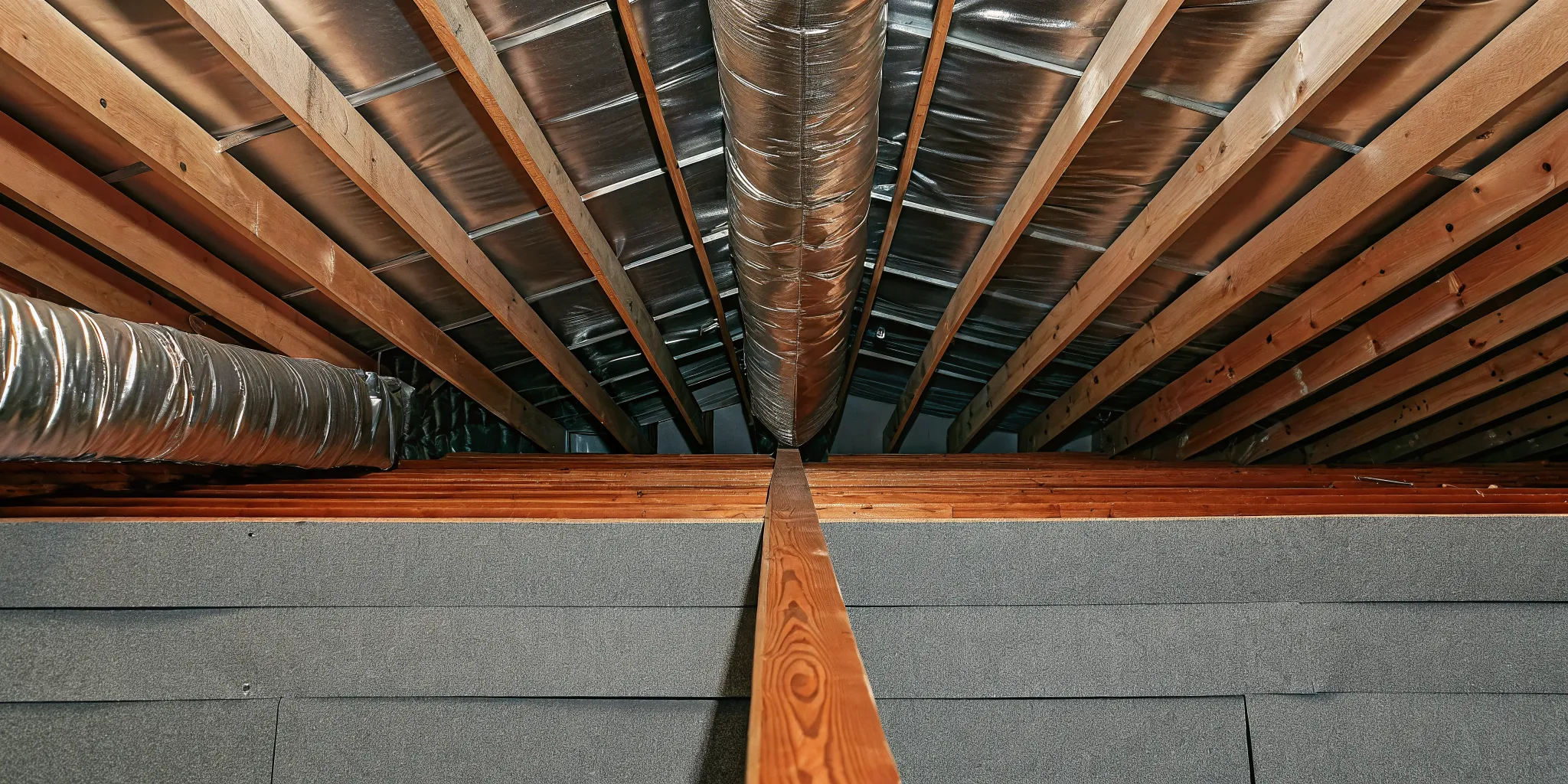
A radiant barrier is essentially a giant sunshield for your attic. It’s made of a highly reflective material, usually aluminum foil, and is installed on the underside of your roof deck. Instead of absorbing heat, its job is to reflect radiant heat away from your attic. This is a game-changer in Texas, where the sun beats down on our roofs for months on end, making radiant heat the primary source of attic heat gain. Unlike traditional insulation that just slows heat down, a radiant barrier stops it before it can even get into your attic space. This simple act of reflection keeps your attic, and by extension your home, significantly cooler.
What is fiberglass insulation?
Fiberglass insulation works more like a cozy sweater for your home. It’s designed to slow down the movement of heat through your ceilings and walls. It does this by trapping air in millions of tiny pockets within the glass fibers. You’ll often hear about its R-value, which is just a measure of how well it resists heat flow; the higher the R-value, the better it insulates. This material is great at managing heat that moves through conduction (direct contact) and convection (air movement). You can find it in large rolls, known as batts, or as blow-in fiberglass insulation that fills the space completely.
Reflection vs. Resistance: The Key Difference
Here’s the main takeaway: radiant barriers reflect heat, while fiberglass insulation resists it. A radiant barrier acts like a mirror, bouncing radiant heat waves back outside. Fiberglass acts like a sponge, absorbing heat and slowing its journey into your living spaces. While fiberglass can slow down some radiant heat, it can’t stop it completely. A radiant barrier, on the other hand, reflects almost all of it. This distinction is crucial. Using a radiant barrier is a proactive move against the sun's rays, while adding attic insulation is a protective measure to handle any heat that gets past your first line of defense.
Radiant Barrier vs. Fiberglass: A Head-to-Head Comparison
When you’re trying to make your home more comfortable and energy-efficient, the attic is the best place to start. Two of the most popular solutions are radiant barriers and fiberglass insulation, but they work in completely different ways. Understanding these differences is the key to figuring out which one, or which combination, is right for your Texas home. Let's break down how they stack up against each other on the factors that matter most.
How They Manage Heat
The biggest difference between these two materials is how they handle heat. Think of a radiant barrier as a sunshade for your house; it reflects radiant heat away before it can warm up your attic. Since the sun is the primary source of heat gain in Texas homes, this reflective action is incredibly effective at keeping your attic and home cooler. It actively blocks heat from entering in the summer and keeps the heat you generate inside during the winter.
Fiberglass insulation, on the other hand, works more like a thick blanket. It doesn’t reflect heat, but instead resists its transfer. It slows down the movement of heat by trapping it in tiny air pockets within the material. This is why we use it for attic insulation on the attic floor, to slow the heat that has already entered the attic from moving down into your living space.
R-Value and Thermal Performance
You’ve probably heard about R-value, which measures an insulation material's ability to resist heat flow. Fiberglass insulation’s performance is defined by its R-value; the higher the number, the better it slows down heat. A well-insulated attic floor using blow-in fiberglass helps maintain a stable indoor temperature, which means your AC runs less often.
Radiant barriers don't have an R-value because they don't absorb heat, they reflect it. Their performance is measured by their ability to block radiant heat, and a quality barrier can reflect up to 95% of it. Comparing the two on R-value alone is misleading because they tackle different types of heat transfer. One resists heat that’s already present, while the other stops it from getting in to begin with.
Durability and Moisture Resistance
Both radiant barriers and fiberglass are designed for long-term performance, but only when they are installed correctly. This is where professional installation really makes a difference. When it comes to moisture, which is a big concern in our humid Texas climate, radiant barriers have an edge. The foil material is non-porous and doesn't absorb water, so it won't support mold growth.
Fiberglass can be more vulnerable to moisture. If it gets wet, its R-value can drop significantly, and damp fiberglass can become a breeding ground for mold and mildew if the moisture problem isn't fixed. Proper attic ventilation is crucial for both systems, but the inherent moisture resistance of a radiant barrier makes it a very reliable choice for homes in areas like Houston.
Installation Process and Placement
The installation process and location for these two materials are quite different. A radiant barrier is a thin, foil-like sheet that is typically stapled to the underside of your roof rafters in the attic. The process is clean and doesn't create dust or airborne particles. This placement stops solar heat at the roofline, which is the first point of entry.
Installing fiberglass insulation involves either laying large rolls of batt insulation or using a machine to blow loose-fill fiberglass across the attic floor. This process requires protective gear to avoid skin and respiratory irritation from the glass fibers. It creates a thermal blanket between your attic and your living space below, but it doesn't stop the attic itself from getting extremely hot.
What to Expect for Costs
The cost of any insulation project will depend on the size of your attic, the specific materials used, and labor. While pricing varies, radiant barriers can sometimes be a more affordable initial investment than high-performance insulation. More importantly, because they are so effective at reducing solar heat gain, radiant barriers often provide a faster return on investment through lower energy bills, especially in a sunny climate like ours.
Ultimately, the best way to understand the cost is to think of it as an investment in your home's comfort and value. The energy savings from either option will pay you back over time. At EZ Attic Insulation, we offer a price match guarantee to ensure you get the best value. We can provide a detailed quote that breaks down the costs and potential savings for your specific home.
Weighing the Pros and Cons
Making the right choice for your home means looking at the benefits and drawbacks of each option. Both radiant barriers and fiberglass insulation have their own strengths and weaknesses, especially when you’re dealing with the Texas climate. Let's break down what you can expect from each.
Radiant Barrier: The Good and The Bad
The biggest win for a radiant barrier is its incredible ability to reflect heat. Think of it like a sunshade for your attic. It can reflect up to 97% of the sun's radiant heat, stopping it from ever warming up your attic space. During a scorching Texas summer, this means less heat seeps down into your living areas, giving your AC a much-needed break and keeping your home more comfortable.
However, a radiant barrier isn't a complete solution on its own. It doesn't have an R-value, so it doesn't slow heat that moves through conduction or convection. It only handles radiant heat. This is why it’s often part of a larger attic insulation system rather than a standalone product.
Fiberglass Insulation: The Good and The Bad
Fiberglass insulation is the classic, reliable choice for a reason. Its main job is to slow down heat transfer. By trapping tiny pockets of air, it creates a thick thermal blanket in your attic that keeps your conditioned air inside and the outside temperatures out. This resistance, measured by its R-value, is key to maintaining a stable and comfortable temperature in your home all year long.
The downside is that fiberglass can only slow down radiant heat; it can't stop it. On a hot, sunny day, your roof will still absorb heat and radiate it downward. While fiberglass will slow that heat from reaching your living space, it can eventually become saturated. That's why relying solely on blow-in fiberglass insulation might not be enough to combat the intense Texas sun.
Do You Have to Choose Just One?
When you're looking at insulation options, it's easy to think of it as an "either/or" decision. Should you go with a radiant barrier or stick with traditional fiberglass? The great news is that you don't have to pick a side. In fact, for many Texas homes, the most effective strategy isn't choosing one over the other, but using both. Think of them as a team, where each player has a unique skill that helps you win against high energy bills and an uncomfortable home. They handle heat in different ways, and when they work together, the results are much better than what either could achieve alone. Let's clear up some common confusion and see how this powerful duo can keep your home comfortable all year long.
Common Myths About Radiant Barriers
One of the biggest myths I hear is that a radiant barrier will make your house too cold in the winter. The concern is that since it’s so good at blocking heat in the summer, it must do the same when you’re trying to stay warm. In reality, a radiant barrier is smart. During cold months, it works in reverse by reflecting the heat from your furnace back into your living spaces instead of letting it escape through the attic. This helps reduce heat loss, keeping your home cozier and giving your heating system a break. So, instead of making your home colder, it actually helps maintain the temperature you want, whatever the season.
Common Myths About Fiberglass Insulation
On the flip side, some people believe that a thick layer of fiberglass insulation is all you need to protect your attic. While fiberglass is fantastic at slowing down heat that moves through conduction and convection (think of it as a cozy sweater for your house), it doesn't stop radiant heat. Radiant heat from the sun beams down on your roof and heats up your attic, and that heat will eventually make its way through the insulation and into your home. This is where traditional batt insulation can use a helping hand. It resists the heat that's already there, but it can’t reflect it away in the first place.
Why They Work Better Together
This is where the magic happens. Combining a radiant barrier with fiberglass insulation gives your home a comprehensive defense against heat transfer. The radiant barrier acts as a shield, reflecting most of the sun's radiant heat away from your attic. This drastically lowers the temperature in your attic space. Then, the fiberglass insulation on your attic floor has a much easier job. It only has to manage the small amount of heat that remains, preventing it from seeping into your home. It’s a true one-two punch that addresses heat from two different angles, creating a much more stable and comfortable indoor environment.
The Best Way to Combine Them for Max Performance
For the ultimate home comfort and energy efficiency, the ideal setup involves strategic placement. Typically, the radiant barrier is installed against the bottom of your roof rafters. This is its first line of defense, where it can immediately reflect solar heat before it has a chance to warm up your attic. Below it, on the floor of the attic, you have a thick layer of blown-in or batt insulation. This second layer slows any heat that gets past the barrier. This combination keeps your attic significantly cooler in the summer and warmer in the winter, which means your HVAC system doesn't have to work nearly as hard. Adding an attic solar fan can further improve this system by actively venting hot air.
Choosing the Right Insulation for Your Texas Home
Making the right insulation choice for your home can feel like a big decision, especially here in Texas. Our climate presents a unique challenge, where battling intense summer heat is the top priority. The good news is that you don't have to figure it out alone. Understanding how different insulation types perform under the Texas sun is the first step to creating a more comfortable and energy-efficient home. Let's walk through what works best for our specific needs.
Why Texas Heat Changes Everything
Living in Texas means dealing with long stretches of extreme heat and humidity. This isn't just about comfort; it's about keeping your home from feeling like an oven and your energy bills from skyrocketing. Unlike in colder climates where the main goal is to trap heat inside, our primary focus is keeping it out. The relentless sun beats down on our roofs, creating a massive amount of radiant heat that turns attics into saunas. This heat then seeps into our living spaces, forcing our AC units to work overtime. An effective insulation strategy for a Texas home must directly address this solar heat gain to improve your home's efficiency.
When a Radiant Barrier Is Your Best Bet
If your biggest complaint is how hot your attic gets, a radiant barrier is your best friend. Think of it as sunscreen for your house. Radiant barriers are designed to reflect the sun's radiant heat, stopping it before it ever gets a chance to warm up your attic. In fact, they can reflect up to 97% of this heat. This makes a huge difference in reducing the overall heat load on your home. Installing a radiant barrier is an excellent first line of defense, especially if your attic feels significantly hotter than the outside air. It’s a targeted solution for the intense solar radiation we experience in Texas.
When Fiberglass Is the Right Call
Fiberglass insulation is the classic choice for a reason: it’s fantastic at resisting heat transfer. While a radiant barrier reflects heat, fiberglass slows it down. It works by trapping air pockets, which makes it difficult for the heat in your attic to move into your cooler, air-conditioned rooms. This is what the R-value measures. A home with proper blow-in fiberglass insulation will maintain a more stable indoor temperature, meaning your AC won't have to kick on as often. If your goal is to keep the cool air inside and the hot attic air out, fiberglass is an essential part of the equation.
Factors to Help You Decide
So, do you have to pick just one? Absolutely not. In fact, for maximum performance in a Texas home, the best approach is often to use both. A radiant barrier and fiberglass insulation work together as a powerful team. The radiant barrier reflects most of the sun's heat away from the attic, and the fiberglass insulation handles the rest, preventing any remaining heat from seeping into your living space. This combination creates a highly effective thermal boundary that keeps your home comfortable and your energy costs down. The right strategy for you will depend on your home's current setup and your budget, but combining these two is the ultimate defense against Texas heat.
Related Articles
- What's the Cost of Fiberglass Insulation Per Sq. Ft.? - Ez Attic Insulation
- Best R-Value Insulation: A Homeowner's Guide - Ez Attic Insulation
- Fiberglass Batting Insulation Service in Texas - Ez Attic Insulation
- Will Insulating My Attic Keep My House Cooler? - Ez Attic Insulation
- 5 Spots Your Thermal Barrier Can Fail in Your Home - Ez Attic Insulation
Frequently Asked Questions
If I can only choose one right now, which is better for a Texas home? This really depends on your home's current situation. If your attic gets incredibly hot, a radiant barrier is a great first step because it directly tackles the main problem: solar heat. It stops the heat at the source. However, if your existing insulation is old or sparse, adding more fiberglass insulation will make a huge difference in keeping your conditioned air from escaping. A professional can help you see which will give you the most immediate relief.
Will a radiant barrier make my house colder in the winter? That's a common concern, but it's actually the opposite. In the winter, a radiant barrier works by reflecting the heat from your furnace back into your home, preventing it from escaping through the attic. It helps keep you warmer and can lower your heating costs, so it provides benefits all year long.
Do I really have to choose between a radiant barrier and fiberglass insulation? Not at all. In fact, the most effective solution for a Texas home is to use them together. Think of them as a team. The radiant barrier acts as a shield against the sun, and the fiberglass insulation acts as a blanket to manage any heat that gets through. This combined approach provides the best defense against our climate.
Which option offers a faster return on investment? Both options will save you money on energy bills over time. A radiant barrier often provides a quicker payback in a hot climate like ours because its impact on reducing your AC usage during long, sunny summers is immediate and significant. The best way to understand the specific savings for your home is to get a detailed quote that outlines the costs and projected energy reduction.
My attic already has insulation. Can I just add a radiant barrier? Yes, you can definitely add a radiant barrier to a home that already has insulation. The radiant barrier is typically installed on the underside of the roof rafters, while your existing fiberglass insulation stays on the attic floor. They don't interfere with each other; they work together to create a more complete thermal shield for your home.