R-13 Insulation Explained: Where It Fits in a Houston Home
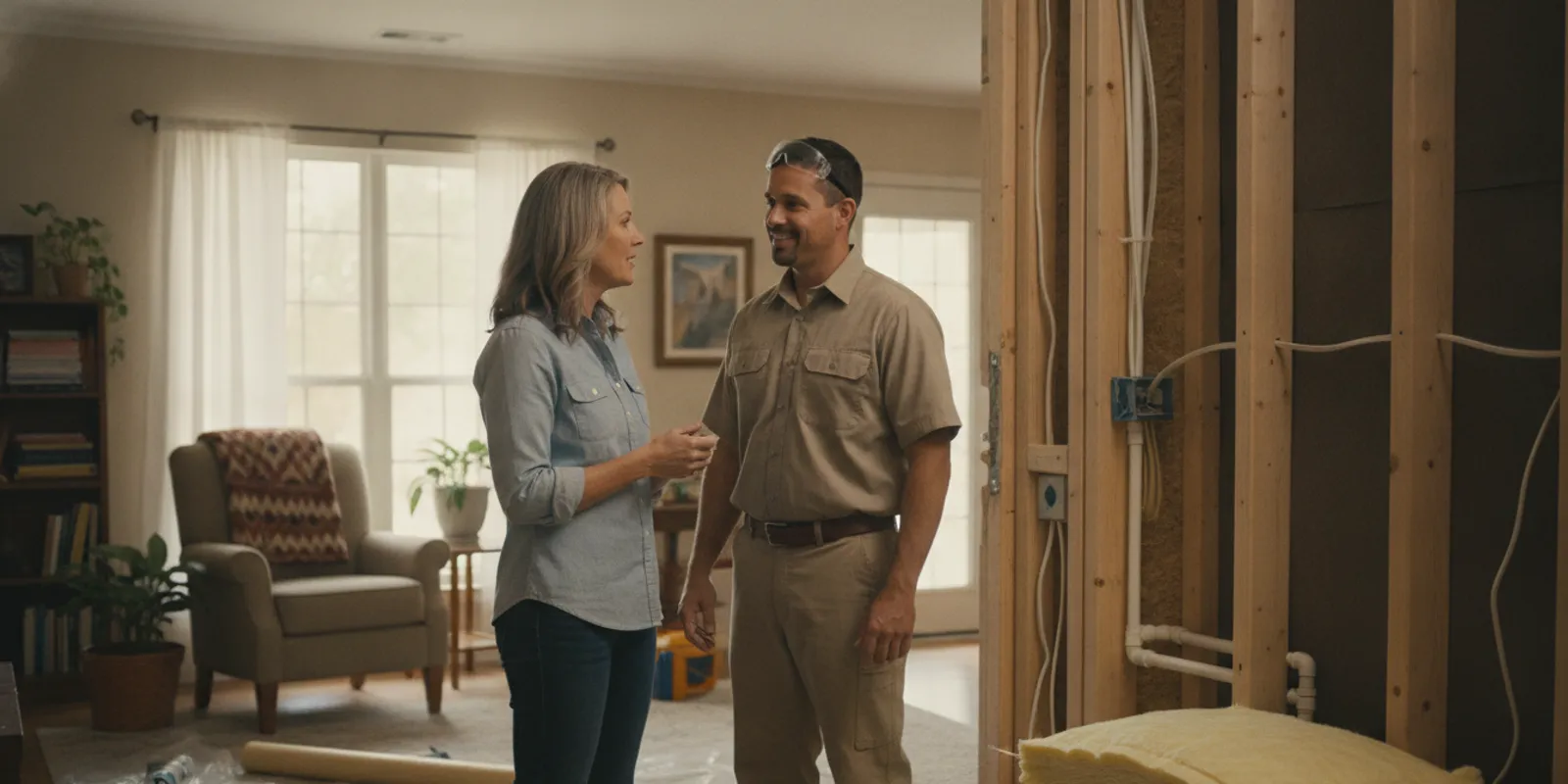
R13 insulation is a familiar label on insulation packaging, but it does not automatically tell you whether a material is right for every part of your home. For Houston homeowners, the key is to match the insulation level to the space, construction, and comfort problem—not to assume one R-value works everywhere.
Arrange an attic insulation evaluation
What does R-13 insulation mean?
R-value describes how well insulation resists heat moving through it. In general, a higher R-value means greater resistance to heat flow, but the rating is only one part of how a home performs. Installation quality, coverage, air leakage, moisture conditions, and the rest of the building assembly also matter.
R-13 means the insulation product is rated at R-13 under the applicable testing conditions. It is not a measurement of thickness by itself, and it does not mean a room will be a particular temperature or that a utility bill will fall by a set amount. The U.S. Environmental Protection Agency’s ENERGY STAR guidance explains what R-value measures and notes that recommended insulation values vary by location and application. See its insulation R-value guidance when comparing recommendations.
Insulation labels can also refer to a product’s intended use or dimensions. A batt made for a framed cavity may have a different thickness and fit than loose-fill material used in an attic. Check the product label and installation instructions rather than judging the material by appearance alone.
Where does R-13 usually fit in a home?
R-13 is commonly associated with insulation for framed wall cavities, especially cavities built with standard 2-by-4 framing. That is a general building-material context, not a universal prescription: wall depth, framing, climate, existing layers, and applicable code requirements can change what is suitable. A wall cavity should be measured and assessed before choosing material.
Attics are a different space. They usually have much more room for insulation depth than a framed wall, and their heat exposure and coverage patterns are different. For that reason, R-13 should not be treated as an automatic attic target just because it is a recognizable number. Consult a location- and application-specific recommendation, and have the attic conditions reviewed before selecting an upgrade.
A Houston home may also have multiple insulation situations at once. Exterior walls could contain cavity insulation, while the attic has loose-fill material above the ceiling. A bonus room, garage-adjacent wall, or kneewall may have its own assembly. The useful question is not simply “Is R-13 enough?” It is “What is insulated, what is the assembly, and what does this area need?”
Wall cavities have physical limits. The framing depth and the space around pipes, wiring, and other obstructions affect which product can fit and how it must be installed. A batt that is too thick for a cavity should not be forced into place, and compressing insulation can change how it performs. Gaps around the edges or missed sections can also leave parts of the assembly less protected than expected. That is why matching a package rating to the cavity matters as much as reading the number.
Attic insulation is assessed differently because it is spread across a larger, more open area and may be loose-fill rather than batts. The material must cover the intended area consistently, while important attic features remain accessible and clear as required. An attic can also have old material, debris, or signs of damage that affect the next step. The same R-value label therefore cannot answer both a wall question and an attic question without considering the installation location.
How does R-13 compare with attic insulation?
Use this comparison as a starting point for a conversation, not as a substitute for an inspection. The right choice depends on the home and the specific part of the building.
How should you compare insulation options?
Compare products by intended location, stated R-value, fit, and installation instructions—not by the number alone. If you are looking at a wall, first confirm the cavity depth and whether the product is made for that kind of space. If you are looking at the attic, ask about the material planned for the attic area and how coverage will be checked. A product rating describes the material under test conditions; it does not tell you whether the installation fits your home.
It can help to gather a few details before a conversation: the room that feels uncomfortable, whether it sits under the attic or next to an exterior wall, any known renovation or insulation history, and what you can see safely from an accessible spot. If an old package label or project record is available, share it, but do not assume it describes every part of the home. These details make it easier to discuss the right assembly and the next useful step.
If one option proposes adding material and another proposes removing existing insulation first, ask each provider to explain the reason for the difference. Ask what conditions they observed, what work is included, and how they will handle the affected area. You can then compare the actual scope instead of treating R-13 as a one-size-fits-all answer.
| Situation | How R-13 relates | What to check next |
|---|---|---|
| Insulating a framed wall | May be a relevant product rating for some wall cavities, depending on framing and requirements. | Confirm cavity depth, existing layers, wiring or obstructions, and the applicable recommendation. |
| Adding insulation in an open attic | R-13 alone is not a default attic upgrade target. | Review current depth, coverage, gaps, access, and a suitable attic-level recommendation. |
| Adding material over existing attic insulation | The existing and added layers should be considered together; do not assume the added layer is automatically R-13. | Check material type, condition, coverage, and whether the work can be done without blocking ventilation or unsafe clearances. |
| Addressing a hot or uncomfortable room | An R-13 label does not identify the cause of discomfort by itself. | Look at the room’s walls, ceiling, windows, air leakage, and attic above it as a whole. |
For a broader overview of material types and how they are used, see the guide to attic insulation types in Houston. The company’s insulation type overview can also help you understand why products meant for one area should not be assumed to suit another.
Why can an R-13 wall still feel uncomfortable?
A rating is not a complete diagnosis of a room. A wall can have insulation and still feel uncomfortable if the insulation does not fill the cavity evenly, has shifted or been disturbed, or is part of an assembly with other weak points. Air leaks around openings and transitions can also affect comfort. So can a ceiling or attic directly above the room.
In summer, homeowners may notice that an upstairs room or a room beneath the attic stays warmer than the rest of the house. That clue does not prove the attic insulation is the only cause, but it can help focus an evaluation. Note when the room feels uncomfortable, whether the issue changes during the day, and whether other rooms show the same pattern.
Likewise, a high energy bill does not identify a single insulation defect. Equipment use, thermostat settings, air leakage, windows, and weather can all influence energy use. Avoid treating an R-13 label as proof that a home is either well insulated or under-insulated. A full view of the area is more useful than one number.
How can you check existing insulation safely?
Start with what you can observe from a safe, accessible area. Do not step onto drywall or ceiling surfaces, move unstable stored items, or handle unknown materials. Attics may contain exposed nails, wiring, hot surfaces, pests, and limited walking surfaces. If access is difficult or you are unsure what you are seeing, leave the inspection to a qualified professional.
- Identify the area. Is the concern in an exterior wall, a ceiling, or the attic? A wall rating does not tell you the condition of the attic above it.
- Look for visible gaps or uneven coverage. From a safe viewpoint, note areas that appear bare, compressed, displaced, or interrupted. Do not disturb the material to investigate.
- Record the comfort pattern. Write down which room is affected and when. Note whether the problem is strongest on sunny afternoons, overnight, or during a particular season.
- Check for signs that need a broader review. Water staining, damp material, pest activity, or damaged areas should be raised with a professional before insulation is added.
- Gather home details. Approximate age, renovation history, and any known insulation work can help an evaluator understand the assembly.
If you are comparing an older home with newer construction, the article on upgrading insulation in older homes offers related context. You can also review the company’s attic insulation process to understand the general stages of an attic project.
When is an attic insulation evaluation useful?
An evaluation can be useful when the attic has visibly uneven or depleted coverage, when insulation appears old or damaged, or when rooms below the attic have persistent comfort issues. It is also a sensible step if you are considering a project but do not know whether to add insulation, remove existing material, or address a separate condition first.
Ask the evaluator to explain what is present, what areas are included in the assessment, and why a proposed material fits the specific space. If the concern is an attic, ask how the plan accounts for coverage, access, and any conditions that need attention before new insulation goes in. If the problem appears to involve a wall, make clear that the question is about a wall assembly rather than an attic.
EZ Attic Insulation’s current service focus for this work is attic insulation removal and blow-in installation. That is relevant when an attic needs an assessment and a suitable plan for the existing material; it does not mean that every R-13 wall concern is an attic project. Learn more about blown-in fiberglass insulation and the company’s insulation services before deciding what questions to raise.
EZ Attic Insulation is locally and family-owned, 100% certified and insured, and serves Greater Houston. The company also states its price-match guarantee as “We Match or Beat Any Competitor’s Pricing.” Ask for an explanation of the proposed scope and how it addresses your home’s specific concern; no insulation rating by itself guarantees a particular comfort or energy outcome.
What should Houston homeowners ask before choosing insulation?
- Which part of the home are we insulating: a wall cavity, an attic floor, or another assembly?
- What material and R-value are being proposed, and why are they suitable for this location?
- What is already installed, and will it remain, be supplemented, or require removal?
- Are there gaps, moisture concerns, damage, or other conditions that should be addressed first?
- How will the work maintain appropriate access and avoid blocking features that need to remain clear?
- What should I expect the work area and finished coverage to look like?
Clear answers help you compare plans on their scope and suitability, rather than choosing based on a number printed on a package. If you are uncertain whether your concern is in the attic or walls, describe the symptoms and the location first. The Houston home energy guide provides further general context about comfort improvements without replacing a home-specific evaluation.
Request a conversation about your attic
Frequently asked questions
Is R-13 insulation enough for a Houston attic?
Do not use R-13 as a default attic target. Attic recommendations differ from wall-cavity applications and depend on the home, location, and existing conditions. Have the attic assessed against a relevant recommendation before planning work.
Is R-13 the same as 13 inches of insulation?
No. R-13 is a measure of resistance to heat flow, not a statement that the insulation is 13 inches thick. Product thickness varies by material and product design, so check its label and installation information.
Can I add insulation over what is already in the attic?
Sometimes an attic plan may involve adding material, but first identify the existing insulation, its condition, and any issues that should be addressed. A professional can explain whether adding material is appropriate for the specific attic and how the work will maintain necessary clearances.
Does an R-13 label mean a room will stay cool?
No single insulation rating guarantees a room temperature. Room comfort depends on the whole assembly and other factors, including air leakage, windows, ceilings, and cooling equipment.
Who should I contact if I am unsure whether the problem is in a wall or attic?
Describe which room is uncomfortable, where it is located, and when the issue occurs. An evaluation can help distinguish an attic concern from a wall or another building condition. Hablamos Español! is available for homeowners who prefer to discuss the concern in Spanish.
Talk with a Texas insulation expert
R-13 is a useful label to understand, but the right insulation plan depends on where the material will go and what the home needs. If an attic concern is part of the picture, talk with EZ Attic Insulation about the condition and the appropriate next step. Call (713) 909-0390 to discuss your attic insulation questions.