Mold in Attic Insulation: Houston Homeowner Steps
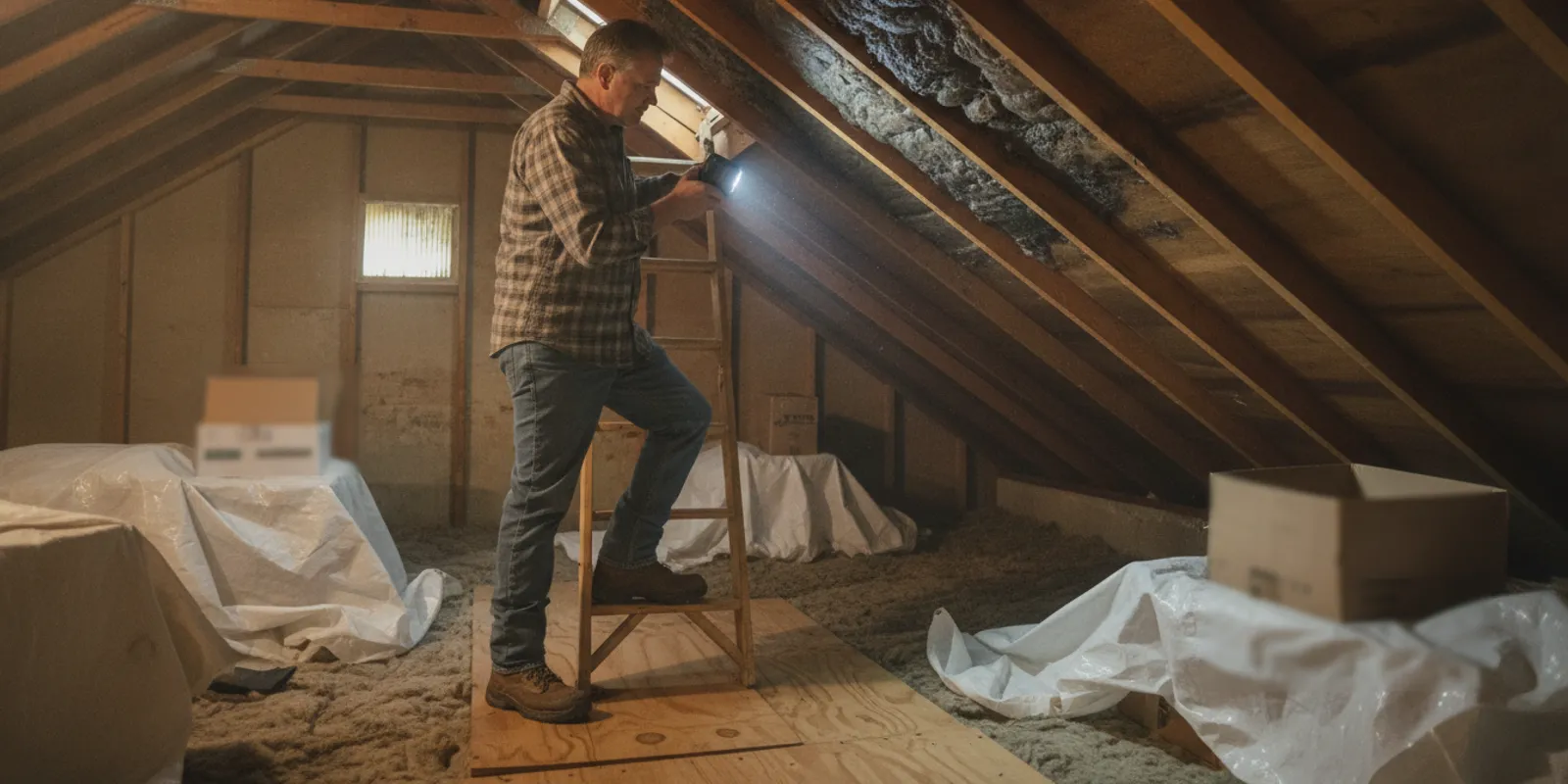
Mold in attic insulation can raise questions about moisture, insulation condition, and what to do next. In Houston, warm humid weather makes it sensible to take signs of attic dampness seriously, but a dark patch or musty smell alone cannot confirm mold or show where moisture began. Start with safe observations, avoid disturbing suspect material, and focus on finding the moisture source before considering replacement.
Request an attic insulation assessment
What can mold in attic insulation indicate?
Insulation is often where a moisture concern becomes visible, not necessarily where it starts. Water may enter through a roof opening or flashing, escape from a plumbing line, or arrive as humid air moving from the living space into the attic. Ventilation conditions may also be relevant. These possibilities call for different checks, so replacing insulation without understanding the source can leave the original issue unresolved.
Look at the wider area, not only the material that first caught your eye. A roof-deck stain above one section, damp framing, clumped or compressed insulation, or marks near a plumbing route can help guide an investigation. The shape and location offer clues, not proof. Water can travel along a surface before it becomes visible, and discoloration can have explanations other than mold.
Wet or displaced insulation may also perform differently from material that is dry and in place. If insulation has been affected, someone needs to determine what can remain and what should be removed. Adding fresh insulation over a damp area does not correct a leak or stop humid air from entering. The sensible sequence is to identify the condition, correct the source with the appropriate trade, and then decide what insulation work is appropriate.
Keep the scope clear. An insulation assessment can address the condition and placement of insulation, but it is not automatically a roof inspection, plumbing repair, or mold-remediation service. If the visible concern points beyond insulation, ask which qualified professional should evaluate that part of the home. A careful explanation of what is known, what is uncertain, and what is outside the work scope is more useful than an unsupported diagnosis.
How can you check an attic without taking unnecessary risks?
Attics can have exposed nails, low rafters, wiring, hot surfaces, and ceiling areas that are not safe to walk on. If you cannot see a stable path or the access is difficult, stay out. You can often make a useful first record from the hatch with a flashlight, without stepping onto drywall or moving insulation. Do not trade a closer look for a fall or contact with suspect material.
- Observe from a safe position. Note visible water marks, damp-looking wood, or material that appears wet, matted, or shifted.
- Record the location. Describe whether the concern is near an exterior roof edge, a plumbing route, a vent, or the attic access, if that is visible.
- Notice the extent. Is it one small area, several separate patches, or a broad section? Do not cross framing to map it.
- Take a photo only if safe. A photo from the hatch may help explain what you saw. Do not move stored items or climb toward the area for a better angle.
- Leave the material alone. Do not brush, pull apart, vacuum, or carry suspect insulation through the home.
A smell can be a reason to investigate, but it cannot identify the cause by itself. Likewise, a dark mark is not a reliable visual test for mold. The U.S. Environmental Protection Agency provides general information about home environmental concerns; consult its official website for public guidance. General information does not confirm what is present in a particular attic or determine the right repair for a specific home.
Write down when you first noticed the concern and whether anything changed around that time. For example, note a recent storm, a plumbing repair, or whether the stain seems larger than in an earlier photo. Keep those observations factual. “A brown mark appeared below the roof after rain” is more useful than concluding that the roof is definitely leaking before it has been checked.
Which moisture sources should be considered?
Rainwater can enter through damaged roofing, flashing, or an opening around a roof feature. A plumbing leak may affect insulation near a pipe or fixture route. Moist indoor air can also move through gaps around ceiling penetrations, access openings, or duct connections and reach cooler surfaces. Ventilation may be part of the investigation as well. More than one condition can exist at once, so a single visible patch should not dictate the answer.
Think through the pattern and timing as leads for the right professional:
- One mark that appears after rain: record the date and location, and ask a roofing professional to check the relevant roof area. A stain beneath a roof feature is a clue, not confirmation of the entry point.
- Dampness near a plumbing route: note which room or fixture is above it, if known, and ask a plumber to assess a possible leak. Do not open a ceiling or move insulation to trace a pipe yourself.
- Several areas or recurring dampness: share the timeline and photos with the professionals involved. A repeated pattern may call for a broader look at moisture movement and attic conditions.
- No obvious water but a musty odor: avoid treating odor as a diagnosis. Request an appropriate inspection rather than covering the area or using a household product to mask it.
These examples help organize questions, not assign a cause. A stain can be distant from the point where water entered, and an earlier leak may leave marks after it has stopped. If the condition returns after a repair, tell the contractor what was done and when the sign reappeared. That history can help distinguish a one-time event from a continuing moisture problem.
For homeowners comparing insulation condition with the broader home, the page on Houston attic insulation explains the company's local attic insulation focus. The insulation conversation is one part of resolving the issue; a roof or plumbing professional may still need to address a source outside the insulation scope.
When should insulation be removed or replaced?
There is no one answer for every type or amount of affected insulation. The decision depends on what material is present, how much appears affected, how long it may have been damp, and whether the source has been corrected. A qualified assessment should distinguish the visible condition from assumptions and explain which parts of the work are insulation-related.
Before agreeing to removal or replacement, ask practical questions:
- What did the inspection actually show, and which areas were accessible?
- What is the suspected moisture source, and what evidence supports that possibility?
- Has the source been repaired, or does a roofer, plumber, or other professional need to act first?
- Which insulation appears affected, and how will the plan distinguish it from material that can remain?
- What needs to be dry or repaired before replacement material is installed?
- Does the proposal include removal, replacement, or both, and which work is outside its scope?
Suppose a small patch of insulation looks wet beneath a stain after a storm. The first decision is not automatically to replace the entire attic. The homeowner can keep clear of the area, record the location and timing, and arrange an evaluation of the likely roof source. After the leak is assessed and corrected, an insulation professional can discuss whether the affected material needs attention. The sequence prevents a new layer from being treated as a substitute for a roof repair.
In another case, insulation may look dark but feel dry from the hatch, with no known leak. That observation is not enough to label it mold or to recommend removal. A closer assessment may be appropriate, but the homeowner should ask what evidence supports the proposed scope and whether another professional should evaluate the surface or moisture conditions. A measured plan is better than guessing based on color alone.
EZ Attic Insulation lists attic insulation removal and blow-in among its core insulation work. Its attic insulation process can help homeowners understand the insulation side of a project. If a roof or plumbing issue is active, arrange for the appropriate repair first and confirm that the area is ready before insulation replacement is planned.
How do common observations change the next step?
| What you observe | Reasonable next step | What not to assume |
|---|---|---|
| Active dripping or a fresh water mark | Keep away from unsafe areas and contact the likely roof or plumbing professional to investigate the source. | New insulation alone will stop the water. |
| One patch of damp or clumped insulation | Document it from a safe position and request an assessment of both the material and likely source. | A small visible patch shows the full extent. |
| Widespread discoloration or persistent odor | Limit access and ask for qualified evaluation; do not handle or spread suspect material. | Color or odor confirms mold or identifies its cause. |
| Dry insulation and an isolated old mark | Record what is visible and monitor for change; follow up on any known leak history. | A mark proves an active leak or current mold. |
This table is a way to organize next steps, not a diagnostic chart. If water is actively entering, controlling the source takes priority over insulation replacement. If there is no active leak but the material looks changed, an assessment can help clarify whether the insulation itself is affected and whether another trade should be involved. Avoid authorizing broad work based only on an unverified label.
What should you prepare before discussing the attic?
A short, accurate history can make a conversation more useful. Note the room below the concern, approximate location in the attic, date first noticed, whether it followed rain or a plumbing event, and whether it has changed. Share photos taken from a safe position. Include details of any repair already made and whether the mark or odor returned afterward.
Ask the provider to describe what was inspected, which areas could not be reached, and how the recommendation follows from the observations. Request clarity on whether the plan covers insulation removal, replacement, or both. If roof, plumbing, or moisture-control work is needed, ask which should happen first and what sign will indicate that the area is ready for insulation work.
It can also help to review the company's listed insulation services and its company information before arranging a discussion. Use those pages to understand the insulation work described, not to assume that every moisture-related service is included. The scope should be explained for your particular attic.
Before an appointment, make the access hatch available if you can do so safely, and mention any access limitation. Keep children and pets away from the work area. If another professional has already checked the roof or plumbing, share the findings. This gives the insulation discussion a factual starting point and helps avoid repeating the same guesswork.
How should you compare the findings and proposed work?
When you speak with a provider, separate observations from conclusions. An observation might be “the insulation is clumped below a roof stain”; a conclusion would be “a roof leak caused the condition.” Ask what was directly seen, what remains a possibility, and whether another trade should verify the source. This distinction keeps the plan grounded in evidence and helps you avoid paying attention to the insulation alone when another building component needs action.
Then compare the proposed steps in order. A clear scope should explain which area is being assessed, whether insulation removal is recommended, what must be repaired before replacement, and what the insulation work does not include. If the proposal recommends replacing material across a larger area than the visible concern, ask what supports that scope. There may be reasons that are not visible from the hatch, but the explanation should be specific rather than based only on a broad label.
Finally, agree on what happens if the condition is different once work begins. Ask how newly discovered wet or damaged material will be handled, who will be contacted if a roof or plumbing issue is found, and whether work pauses until that source is addressed. You do not need to diagnose the attic yourself. You do need to understand the sequence, responsibilities, and limits of the plan before work starts.
Frequently asked questions
Does dark attic insulation always mean mold?
No. Dust, age, shadows, and other staining can affect appearance. A visual check alone cannot confirm what a mark is. Leave suspect material undisturbed and arrange an appropriate assessment if you are concerned.
Should I add new insulation over damp material?
Do not cover damp material before the moisture source and insulation condition have been evaluated. The source may need repair first, and the affected material should be assessed before deciding whether it can remain or should be removed.
Can insulation work repair a roof or plumbing leak?
No. Insulation removal or replacement does not repair roof damage or a plumbing line. The appropriate professional needs to address an active source, and the area should be ready before replacement insulation is installed.
What if I cannot safely enter my attic?
Stay out. Record only what you can see safely from the access opening and arrange a professional evaluation. Do not step on ceiling drywall, cross framing, or move insulation to get a closer look.
Get in touch to discuss your attic concern
Talk with a Texas insulation expert
EZ Attic Insulation is locally and family-owned in Texas, serves Greater Houston, and is 100% Certified & Insured. To discuss what you have observed and whether an insulation assessment is a sensible next step, call (713) 909-0390. Hablamos Español!