HVAC Duct Replacement Houston Homeowners: When Repair Is Not Enough
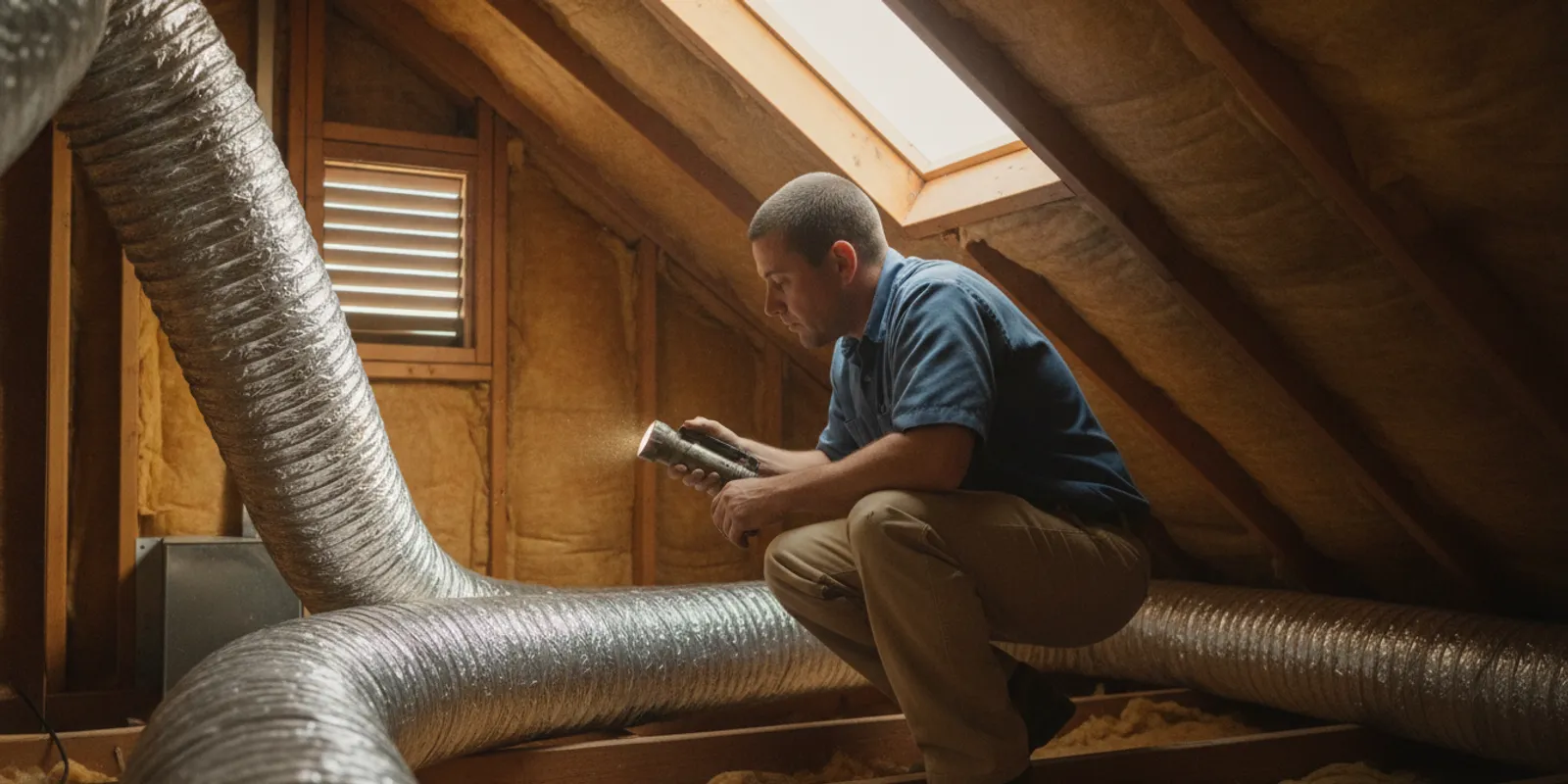
When one room stays warm, airflow seems weak, or ductwork looks damaged, Houston homeowners may wonder whether HVAC duct replacement is the right next step. The answer depends on what is actually wrong: a loose connection, a blocked or dirty section, damaged duct material, or a broader problem with the system. Start with evidence, not assumptions. Texas Insulation Experts at EZ Attic Insulation help homeowners understand attic performance, but the company’s current service focus is attic insulation removal and blow-in installation, not HVAC duct replacement.
Contact our team about your attic insulation needs
When should you consider HVAC duct replacement?
A replacement discussion makes sense when an inspection finds a problem that cannot be reliably addressed with a limited repair. The decision should follow a look at the ducts and how they connect to the heating and cooling equipment—not a guess based only on one uncomfortable room or a high utility bill.
Look for observable conditions such as torn or crushed duct sections, disconnected joints, repeated damage, or visible deterioration. A technician may also identify airflow concerns that persist after obvious obstructions and connection problems are addressed. These clues do not prove that every duct needs replacement. They are reasons to ask for a clear inspection and explanation of the proposed work.
- Visible physical damage: A crushed, split, or badly sagging section may restrict or disrupt airflow. Ask whether the affected part can be repaired or whether its condition makes replacement more appropriate.
- Disconnected joints: Ducts that have separated at a connection may need to be reconnected and sealed. A detached section alone does not necessarily mean the entire duct system needs to be replaced.
- Recurring trouble: If the same area keeps coming loose or suffering damage, ask what is causing it and whether the proposal addresses that cause.
- Uneven comfort or airflow: These symptoms can have more than one cause, including duct issues, insulation conditions, or HVAC equipment. Ask the professional to explain what was checked before recommending a large project.
A useful proposal identifies the affected ducts, describes their condition, and explains why repair is or is not suitable. It should distinguish what the inspection confirmed from what remains uncertain. If the recommendation is to replace a large portion of the system, ask the contractor to show you the specific areas and explain the scope in plain language.
What should Houston homeowners check before deciding?
Houston attics can be hot for much of the year, so a quick look from the attic hatch may not reveal the full picture. Do not climb into an unsafe or very hot attic, move equipment, or handle electrical or mechanical components to inspect ducts. Instead, record what you notice from a safe location and ask a qualified HVAC professional to assess the duct system.
Before an inspection, note the rooms that feel uncomfortable, when the problem occurs, and whether it changes when the system runs. Check whether supply vents are open and unobstructed. If you can safely see a duct from an accessible area, note visible damage without pulling, cutting, or shifting it. Share this information with the person evaluating the system.
- Describe the symptom precisely. A note such as “the back bedroom feels warmer in the afternoon” is more useful than saying the ducts are bad. Include whether the issue affects one room or several.
- Ask what will be inspected. Find out whether the visit includes accessible duct runs, connections, registers, and relevant system operation checks.
- Request the findings. Ask for photos or a written description of specific defects, when practical, and a distinction between confirmed damage and possible causes.
- Ask about alternatives. If a joint can be reconnected or a limited section repaired, ask why the contractor recommends a broader replacement instead.
- Clarify the work area. Confirm which duct sections are included, whether connections and supports are part of the scope, and what is excluded.
Keep the diagnosis broad enough to consider more than ductwork. Gaps in attic insulation or other home conditions may affect comfort, while an equipment issue can also influence how air reaches a room. An inspection should not assume that duct replacement alone will solve every comfort complaint.
How are duct repair, replacement, insulation, and cleaning different?
These services address different conditions. Understanding the distinction helps you compare recommendations and avoid paying for a scope that does not match the problem. A repair addresses a localized defect. Replacement removes and installs duct sections or a larger duct network. Duct insulation concerns the insulating material around ducts, while duct cleaning concerns debris inside ductwork.
| Work type | What it addresses | Questions to ask |
|---|---|---|
| Duct repair | A specific defect such as a loose connection or localized damage | Which section is being repaired, and what caused the problem? |
| Duct replacement | Duct material or sections that the inspection finds unsuitable for repair | Which sections are included, and why is replacement preferable? |
| Duct insulation | Insulation around ductwork, rather than a damaged duct itself | Is the duct intact, and what insulation work is proposed? |
| Duct cleaning | Cleaning the interior of ductwork; it does not restore damaged ducts | What condition makes cleaning appropriate, and what exactly is included? |
For example, a separated connection may call for reconnecting and sealing that point rather than replacing every duct. By contrast, a damaged section with multiple defects may lead a contractor to propose replacement of that section. If the duct material is sound but its insulation is the concern, replacing the duct may not be the appropriate answer. Cleaning is not a substitute for repairing tears, replacing failed sections, or insulating ducts.
For more context on the insulation side of the question, read our guide to duct insulation in Houston. It covers a different scope from duct replacement. You can also review attic insulation types when evaluating the wider attic environment.
What questions help identify the real issue?
Symptoms are useful clues, but they do not identify the cause on their own. A room that feels stuffy, for example, could have a supply-air issue, a return-air issue, a register obstruction, a duct condition, or another factor. Ask the inspector to connect each recommendation to an observation: what was checked, what was found, and how that finding relates to the symptom you described.
Ask whether the concern is limited to one branch or appears across multiple areas. A localized concern and a whole-home concern may call for different investigations and different scopes. If a contractor suggests replacing every duct, ask what evidence supports that size of project. If a limited fix is proposed, ask whether it addresses the underlying cause or only the visible symptom.
It is also reasonable to ask what the inspection could not confirm. Some duct sections may be hidden or difficult to access, and an estimate may need to state its assumptions. Get those limits in writing so you know whether the proposal could change once work begins. Clear notes help you compare the recommendations accurately and make a decision based on the condition observed, rather than a broad description of the problem.
How can you compare duct replacement proposals fairly?
Two proposals are not comparable if one covers a short damaged section and the other assumes a whole-system replacement. Compare the diagnosis and work scope line by line. The goal is not to choose the shortest document or the lowest number; it is to understand what each contractor found and what work the proposal actually includes.
- Ask for a map or clear description. The quote should identify the duct runs or areas to be replaced. Ask whether the proposal covers all ductwork or only selected sections.
- Match the scope to the findings. Each major item should connect to a condition the inspection identified. Request an explanation for anything described only as recommended or needed.
- Separate repair from replacement. Ask whether a targeted repair is possible and what limitations would remain if you chose it.
- Confirm included work. Clarify whether removal of the old material, connections, supports, sealing, cleanup, and access-related work are included or excluded.
- Check the handoff and follow-up. Ask who will perform the work, how the completed scope will be reviewed, and who to contact if you notice a problem afterward.
- Request changes in writing. If the scope changes after work begins, ask for the reason and revised details before authorizing additional work.
A thorough comparison can also prevent confusion between duct work and nearby attic work. If a proposal includes duct insulation, cleaning, or changes to the HVAC equipment, ask that each item be listed separately. This makes it easier to understand the purpose of every recommended step and decide what questions remain.
Use this overview of the attic insulation process to understand the separate steps involved when insulation is the work under consideration. For an overview of the company and its stated commitments, see why homeowners choose EZ Attic Insulation.
What should you know about EZ Attic Insulation’s current scope?
EZ Attic Insulation is a locally and family-owned Texas home efficiency company headquartered in Tomball and serving Greater Houston. Its current work focus is attic insulation removal and blow-in installation. This article is intended to help homeowners think through duct replacement questions; it is not a claim that EZ Attic Insulation currently performs HVAC duct replacement.
If your inspection points to damaged ducts, contact an HVAC provider who can evaluate and quote that work. If you also have concerns about attic insulation, you can ask EZ Attic Insulation whether that separate scope is a fit. The company describes itself as 100% certified and insured and BBB A+ accredited. Hablamos Español!
When considering insulation, keep expectations realistic. The condition of each home and the work needed can differ. The company’s verified savings statement is up to 15% on heating and cooling costs; that is not a guarantee of a particular result for an individual home.
Ask us about attic insulation for your Houston home
Frequently asked questions
Does uneven room temperature mean I need new ducts?
No. Uneven comfort can have several causes, so the symptom by itself cannot establish that duct replacement is needed. Ask for an inspection that checks the relevant duct sections and considers other possible contributors before approving a replacement scope.
Can one damaged duct section be replaced instead of the whole system?
Sometimes a proposal may address only a particular section, but the appropriate scope depends on the condition of the ductwork and the inspection findings. Ask the contractor to identify the affected areas and explain why the proposed amount of replacement is necessary.
Is duct insulation the same as duct replacement?
No. Duct insulation concerns insulation around the duct; duct replacement concerns the duct itself. A home may need one, both, or neither. Ask the inspector to distinguish the conditions and list each proposed task separately.
Does duct cleaning fix damaged or disconnected ductwork?
No. Cleaning addresses material inside ductwork. It does not reconnect a separated joint, repair a tear, or replace a damaged duct section. Choose work based on the specific condition identified during an inspection.
What should I do if a contractor recommends full replacement?
Ask for the inspection findings, the affected duct locations, and a written explanation of why repair is not suitable. If the scope is still unclear, consider getting another assessment and compare the documented findings rather than relying on a broad label.
Talk with a Texas insulation expert
Contact EZ Attic Insulation about attic insulation
For duct replacement, get an HVAC professional to assess the ductwork; for attic insulation questions, our team is ready to help Houston-area homeowners understand the next step.
Explore more attic insulation tips and homeowner guides, or contact EZ Attic Insulation about its current attic insulation services. Hablamos Español, and our team is here to help you make an informed decision for your home.
For background on duct design and the importance of managing pressure loss through a distribution system, see the air-duct design research resource; it is general duct-design information, not an inspection of your home.
Choose replacement only after the specific condition, proposed scope, and alternatives have been explained clearly.