How Much to Have Insulation Blown in an Attic
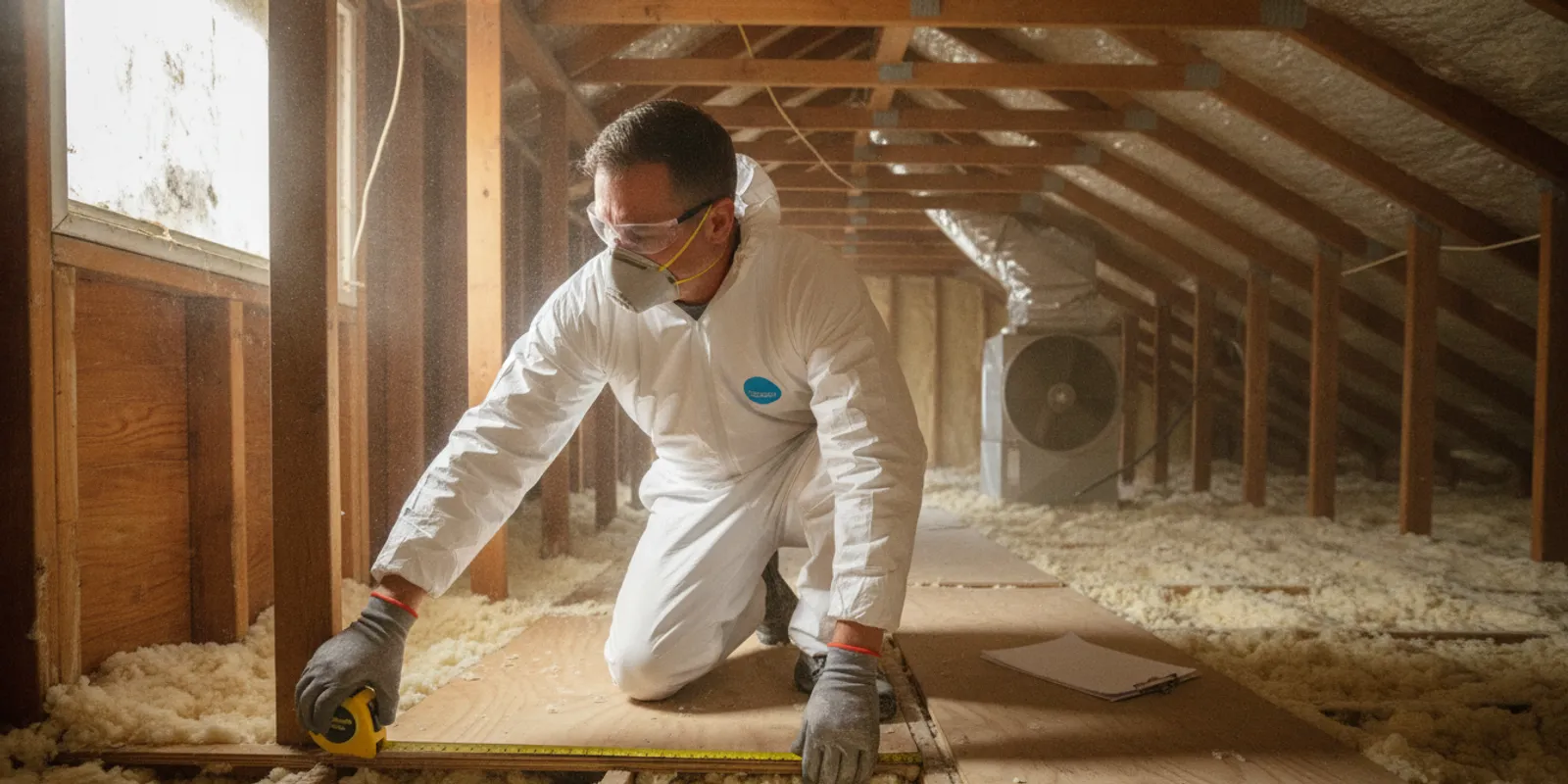
If you are asking how much to have insulation blown in attic spaces, the useful answer starts with the condition of the attic, not a generic figure based on the home’s floor plan. The area to be covered, existing insulation, access, and preparation all affect the work. A clear inspection and written scope help Houston homeowners understand what a proposal includes before comparing it with another.
Why can blown-in attic insulation work differ from home to home?
Two houses with similar square footage can have different attic layouts and starting conditions. One may have an open, reachable space with a fairly even layer of insulation. Another may have narrow access, uneven coverage, equipment or stored items in the way, or areas that need separate attention. Those differences affect the steps required to complete the work.
Square footage is a starting point, but it does not show every detail a crew needs to plan for. The estimate should identify which sections are included, how the approximate coverage area was determined, and whether any areas cannot be reached or treated as proposed. If the attic includes low-clearance edges, framing interruptions, or a small access opening, those details should be discussed rather than left to assumption.
The starting condition matters too. Existing insulation may be left in place, shifted to reach a work area, or considered for removal, depending on its condition and the scope. These are different jobs. If a proposal includes removal, ask what portion is covered and what preparation and cleanup are included. If it does not, confirm how the new layer will be installed around the material already there.
For an overview of the local service, see the attic insulation consultation page. It can help frame the conversation, but the estimate for your home should still be based on the actual attic rather than a broad description.
What details shape the scope of an estimate?
Attic area and coverage boundaries
Ask for the estimated area to be insulated and whether that means the entire attic floor or only accessible sections. A proposal should call out exclusions, such as an area that cannot be safely reached or a section that needs a separate approach. This is important when comparing two totals: one contractor may be pricing a larger coverage area than another.
It can help to ask the assessor to point out the boundaries during the inspection. If a space is divided into sections, have the estimate describe them in plain language. A written note about an excluded area is more useful than discovering after work begins that the quoted scope was narrower than expected.
Existing insulation and preparation
Ask what the assessor observed and what will happen to the existing material. Adding new insulation over old insulation may be appropriate in some conditions, but it should not be treated as an automatic answer. Material that is damaged, contaminated, damp, or otherwise unsuitable may call for further evaluation before a new layer is considered. Do not diagnose a concern by sight from the access opening alone.
If the plan involves removal, get clarity on the area included, the handling process, and what happens if conditions differ from what was visible at the inspection. If existing insulation remains, ask whether it will stay undisturbed or be moved in any locations. The company’s guide to adding new insulation over existing material offers another set of questions to raise during that discussion.
Access, obstacles, and work preparation
The location and size of the attic opening can affect how the team moves materials and reaches the work area. Ducts, wiring, framing, recessed fixtures, and other attic features may also affect where insulation can be placed and how coverage is planned. Ask how the proposal addresses visible obstacles and what must remain clear during the work.
Before an assessment, tell the contractor about known access limits and stored items near the hatch. Ask whether you should move anything or clear a path. Do not step onto ceiling drywall, handle wiring, or move ducts and insulation yourself to make an inspection easier. The professional can explain what can be safely examined and whether a concern needs a separate evaluation.
Material and intended insulation level
“Blown-in insulation” describes an installation method, not a complete specification. Ask which material is proposed and what depth or performance target the work is intended to reach. The written scope should make clear what is being installed and how the contractor will check or communicate the coverage plan. Without these details, two estimates that use similar wording may describe different work.
It is also reasonable to ask how the proposed depth relates to what is already in the attic. The answer should account for the starting condition and the design of the space, rather than simply promising that more material is always better. For background on common options, review the Houston guide to attic insulation types and the company’s information about blown-in fiberglass insulation.
Included tasks, exclusions, and changes
Do not assume that air sealing, repairs, moving stored belongings, or other attic improvements are part of a blown-in insulation proposal. Ask the contractor to list any related work that is included and to identify tasks that are outside the scope. If something unexpected is found after work begins, ask how the change will be explained and approved before additional work proceeds.
A sound estimate is specific enough to set expectations without pretending every attic is identical. The attic insulation process page can help you understand the general sequence; your written proposal should identify the steps that apply to your home.
What should a written estimate spell out?
Before comparing a headline total, check whether each estimate describes the same job. A practical proposal should make the work understandable to a homeowner who was not present for every part of the inspection. Ask for clarification in writing if any item is vague.
- Work area: Which attic sections are included, and are any excluded or inaccessible?
- Starting condition: What existing insulation was observed, and will it remain, be moved, or be removed?
- Material and target: What new material is specified, and what depth or insulation level is intended?
- Preparation: What protection and setup are included, and what should the homeowner do before arrival?
- Obstacles: How will access, ducts, wiring, and other visible attic features affect the plan?
- Cleanup: What cleanup is included in the work area when installation is finished?
- Exclusions and revisions: What is outside the proposal, and how will a scope change be reviewed and approved?
Think of the estimate as a description of the work, not just a number. If a contractor says removal is unnecessary, ask what conditions support that recommendation. If another estimate includes removal, ask which observed issue or project goal makes that step part of its scope. A clear answer helps you distinguish a true difference in approach from a simple difference in wording.
How can you compare proposals on the same basis?
Use the same questions with every contractor and keep the written responses together. This makes it easier to identify whether the proposals cover equivalent areas and tasks. A lower total is not necessarily a better comparison if it leaves out preparation or describes a smaller work area.
- Confirm the coverage area. Compare the attic sections, approximate area, and any exclusions. Ask how the contractor determined the boundary.
- Agree on the starting condition. Check that each proposal describes the existing insulation and the planned treatment: leave, move, or remove.
- Match the specification. Compare the proposed material and target depth or level. Ask for clarification when one estimate gives detail and another uses only a general label.
- Review access and preparation. Identify the attic access requirements, obstacles, protection, and any homeowner tasks.
- Separate included work from extras. Check removal, cleanup, repairs, or other related work item by item; do not infer that something is included.
- Understand approval for changes. Ask what happens if the crew finds a different condition and how you will approve a revised scope before it proceeds.
| Estimate item | What to compare | Useful question |
|---|---|---|
| Coverage | Attic sections and approximate area | Which areas are included or excluded? |
| Existing material | Leave in place, move, or remove | What condition did you observe, and why is this plan appropriate? |
| New insulation | Material and target depth or level | What specification is the proposal based on? |
| Preparation and access | Protection, obstacles, entry requirements | What should I prepare before installation? |
| Cleanup and changes | Cleanup, exclusions, and approval process | How will additional work be explained and approved? |
For example, imagine one quote proposes adding material across an accessible attic, while a second includes removal in a section with a different starting condition. The totals alone do not tell you which is the better fit. First ask each contractor to explain the observed condition, the exact area included, and what the removal or installation step is meant to address. Then compare the resulting scopes. If the difference remains unclear, request an itemized explanation rather than guessing based on the title of the proposal.
Questions about what a company does and how it approaches residential work can be explored on its Why Choose EZ Attic page. For broader homeowner reading, the attic insulation tips and guides page collects related topics. Use those resources for context, then rely on the project-specific written scope for the actual work being considered.
What can Houston homeowners do before an attic assessment?
You do not need to inspect the attic yourself. A few observations can make your conversation more useful. Note which rooms feel uncomfortable, whether temperatures differ between floors, and when the problem is most noticeable. These observations do not prove that insulation is the cause, but they help describe the reason for requesting an assessment.
Make a short list of questions before the appointment. For instance, ask whether the assessment includes checking the existing insulation, how the recommended work area will be established, and what information will be provided in writing. If you have previous estimates, keep them available and ask the assessor to clarify differences in coverage or tasks. A comparable description is more useful than asking only which proposal is cheaper.
If it is safe and convenient, clear the area around the attic access and mention any known limitations. Do not move electrical components or walk on the ceiling surface. If the home has comfort concerns that could involve more than insulation, ask the professional to distinguish what is visible within the insulation scope from issues that require a separate evaluation. Adding insulation should not be presented as a guaranteed solution to every temperature or energy concern.
The U.S. Department of Energy provides general consumer information on energy use and efficiency at Energy.gov. It can be a starting point for broader home-efficiency questions, while an assessment and written work scope address the specific conditions in your attic.
For more context on home comfort in the area, see Houston home energy savings. Every house has its own layout and existing conditions, so use general information as background rather than as a substitute for an inspection.
What should Houston homeowners keep in mind?
There is no dependable one-size-fits-all answer based only on home size. A useful proposal explains where work will happen, what will be done with existing insulation, which material and target level are planned, and what is excluded. That level of detail gives you a fair way to compare approaches without assuming that every attic needs the same treatment.
EZ Attic Insulation serves Greater Houston and describes itself as locally and family-owned. The company states that it is 100% certified and insured. Hablamos Español! Ask questions until the proposed work is clear, and make sure any agreed scope changes are documented before work proceeds.
Request a quote for your attic
Frequently asked questions
Can I estimate how much insulation I need from my home’s square footage?
Home size can help frame the discussion, but it does not show the attic area, existing insulation, access limits, or recommended target. An assessment of the attic is a more useful basis for defining the work than applying a generic amount to the home’s floor area.
Does every attic need old insulation removed first?
No. The appropriate plan depends on the material and the attic’s actual condition. Ask the assessor to explain whether existing insulation can remain, needs to be moved, or should be considered for removal, and have the answer and included area reflected in the estimate.
Why do two blown-in insulation estimates look different?
They may describe different coverage areas, materials, target levels, preparation, removal, cleanup, or exclusions. Compare the scopes line by line and ask each contractor to clarify missing details before deciding whether the proposals are equivalent.
What should I do if the crew finds an unexpected attic condition?
Ask the contractor to explain what was found, how it affects the proposed work, and whether it changes the scope. Request a written revision and understand how approval will be handled before additional work proceeds.
Talk with a Texas insulation expert
Get a quote and discuss your attic insulation needs
A clear assessment and written scope give you a practical basis for deciding what blown-in insulation work fits your Houston home.