Energy Efficiency Upgrade Checklist for Houston Homeowners (2024 Edition)
Houston homes work hard in a hot, humid climate. If rooms feel uneven, the air conditioner runs for long stretches, or your electric bill seems disconnected from your thermostat setting, use this home energy efficiency checklist for Houston homeowners to find the highest-impact next steps. The 2024 edition below starts with the attic, then moves through air leaks, ducts, HVAC habits, windows, water heating, and appliances.
Book Now or Get a Quote from EZ Attic Insulation for a Houston home-efficiency conversation, or call (713) 909-0390.
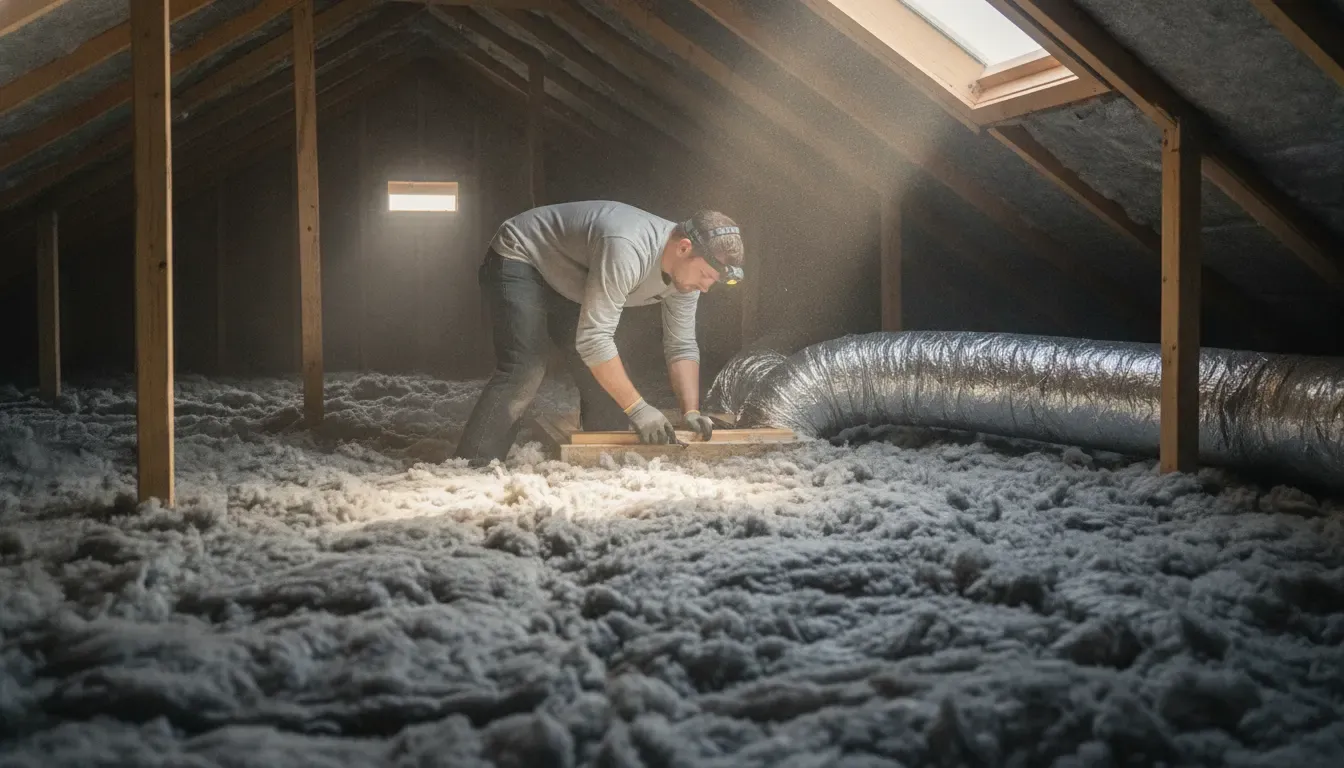
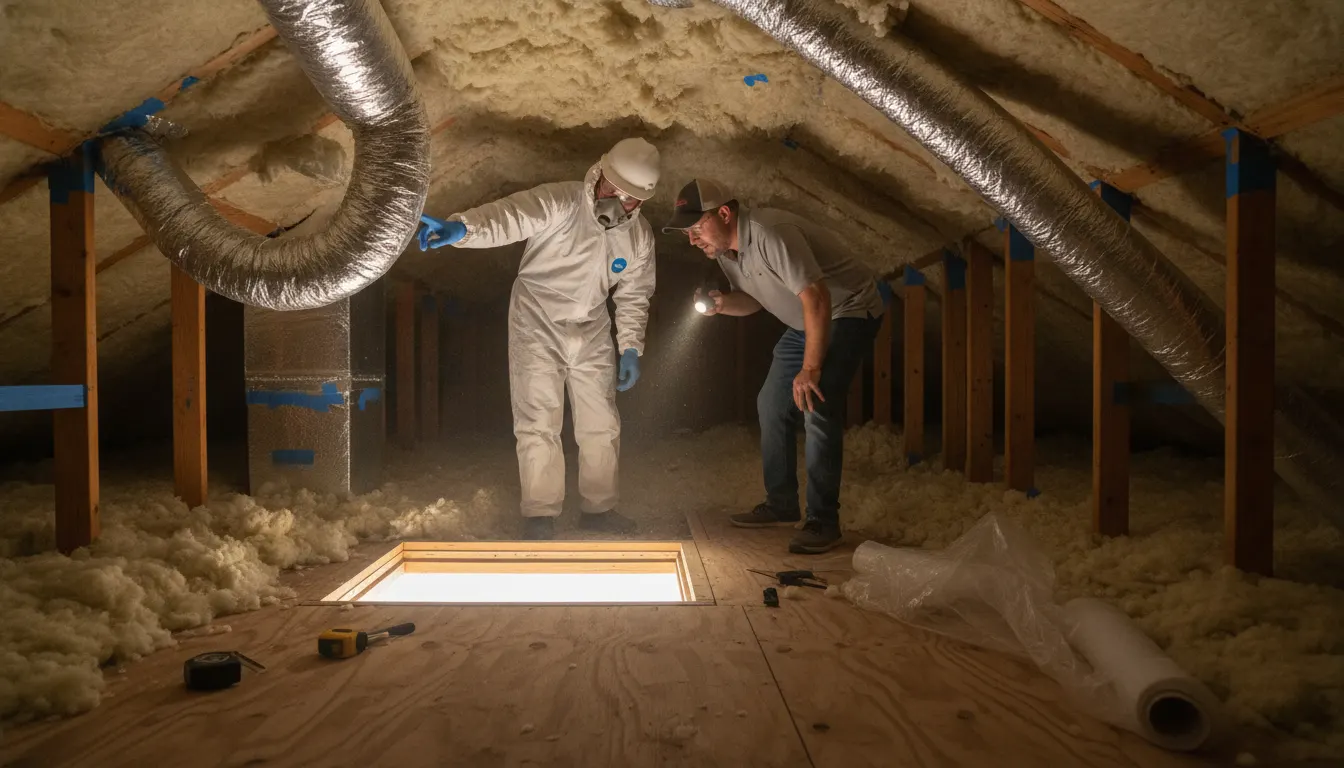
A Houston attic inspection should look at insulation depth, air movement, ductwork, and access points together.
How does a home energy efficiency checklist help Houston homeowners?
A home energy efficiency checklist turns a vague complaint, such as high bills or hot bedrooms, into a practical inspection order. In Houston, start with the attic and air distribution because heat gain, air leakage, and duct problems can make the cooling system work harder. Then check windows, controls, water heating, and plug loads.
Use the list in order rather than changing several things at once. That approach helps you see which improvement addresses your home's actual problem and which work needs a qualified professional. The U.S. Department of Energy also recommends organizing household energy actions into daily, weekly, monthly, and annual checks in its Home Energy Checklist.
1. Start with the attic and insulation layer
Houston homes lose comfort when the attic allows too much heat to move through the ceiling or when air leaks bypass the insulation. Before you buy a new thermostat or replace equipment, look for insulation that is thin, uneven, displaced, wet, contaminated, or missing around attic access points. An attic-first inspection can reveal a building-envelope problem that an HVAC adjustment alone will not solve.
- Look for uneven coverage: Low spots, exposed ceiling areas, and compressed insulation can create hot rooms below.
- Check for moisture: Staining, damp material, or a musty smell deserves investigation before new insulation is added.
- Inspect the attic hatch: The access panel should fit tightly and be insulated so it does not become a weak spot.
- Keep soffit airflow open: Insulation should not block intended ventilation paths at the eaves.
- Notice heat patterns: A room that stays warmer than the rest of the home can point to ceiling, duct, window, or solar-heat issues.
Houston homeowners can compare materials such as blown-in fiberglass, batt fiberglass, spray foam, and radiant barrier based on the condition of the attic, the desired air-sealing work, and the home's construction. EZ Attic Insulation explains these options in its Houston attic insulation types guide. The right material is less important than a complete plan that addresses gaps, depth, access, ventilation, and installation quality.
2. Check air leaks around the home
Air sealing reduces unwanted outdoor air movement, but it must be done carefully so the home still has appropriate ventilation. Walk through the house on a windy day, or use a professional assessment when you need more certainty. Focus on connections between conditioned space and the attic, garage, crawl space, or exterior.
- Inspect weatherstripping around exterior doors and replace brittle or compressed sections.
- Look for visible gaps around plumbing penetrations, recessed lights, wiring, and ceiling fixtures.
- Check the perimeter of the attic hatch and any pull-down stair opening.
- Feel for drafts around window frames and door thresholds without assuming every cool spot is an air leak.
- Seal small, accessible gaps with a product appropriate for the material and location, and ask a professional about larger or hard-to-reach openings.
Do not cover signs of roof leaks, electrical problems, mold, or damaged building materials with caulk or insulation. Identify the source first. A checklist is for prioritizing observations, not for hiding a building problem.
3. Review ducts and air distribution
Duct performance affects whether cooled air reaches the rooms that need it. A Houston homeowner can begin by checking whether supply vents are open, return grilles are unobstructed, and accessible ducts are visibly damaged or disconnected. A professional should evaluate leakage, insulation, airflow, and equipment balance when comfort problems persist.
- Make sure furniture, rugs, or curtains are not blocking supply or return grilles.
- Look for crushed, kinked, disconnected, or poorly supported flexible ductwork in accessible areas.
- Check for large temperature differences between rooms and note when they occur.
- Replace HVAC filters on the schedule recommended for the filter and household conditions.
- Ask whether duct cleaning is appropriate when there is visible contamination, a renovation-related concern, or another documented reason, rather than treating cleaning as a cure for every comfort issue.
If dust, odor, airflow, or indoor comfort concerns point toward the air-distribution system, review the scope of EZ Attic Insulation air duct cleaning and ask what the inspection will cover. Duct cleaning, duct repair, air sealing, and insulation solve different problems, so the diagnosis should come before the service choice.
4. Check your HVAC and thermostat habits
Efficient HVAC operation starts with a system that is maintained, sized for the home, and controlled with realistic settings. Houston's cooling season can be long, so small maintenance issues may show up as long run times or rooms that never reach the set point. Use this section to organize questions for an HVAC professional and to review simple household habits.
- Schedule professional maintenance according to your equipment manufacturer's guidance.
- Keep outdoor equipment clear of leaves, weeds, and stored items so it can release heat.
- Use a consistent thermostat schedule that matches when the home is occupied.
- Check whether ceiling fans are helping people feel comfortable, and turn them off in empty rooms.
- Close blinds or curtains during the sunniest parts of the day in rooms with significant window heat gain.
- Do not lower the thermostat dramatically and expect the air conditioner to cool faster; the system still has a fixed capacity.
A thermostat cannot compensate for missing insulation, leaking ducts, blocked airflow, or an equipment problem. If the home will not cool below 75 degrees on a hot Houston day, record the room temperatures, thermostat setting, filter condition, and system run pattern before scheduling service. Those details help the technician troubleshoot instead of guessing.
5. Inspect windows, doors, and solar heat
Windows and doors influence both air leakage and solar heat gain, especially in rooms with afternoon sun. You do not need to replace every window to improve comfort. Start by finding the rooms with the strongest symptoms, then separate glass performance, frame gaps, shading, and indoor airflow as possible causes.
- Check that operable windows close and latch fully.
- Inspect weatherstripping and caulk for cracking, gaps, or separation.
- Use shades, blinds, or curtains to reduce direct afternoon sun where practical.
- Consider exterior shade from landscaping or properly installed shading devices when the site allows it.
- Ask for a whole-home recommendation before replacing windows solely because one room is warm.
Window improvements can help, but they should be prioritized alongside the attic, ducts, and HVAC system. A new window will not correct a disconnected duct or an under-insulated ceiling above the room.
6. Reduce water-heating and appliance energy use
After the building envelope and cooling system are on your list, review the steady energy loads that operate every day. Water heating, refrigeration, laundry, lighting, and electronics can add to household electricity use even when the attic is performing well. The U.S. Department of Energy checklist includes water-heater settings, equipment maintenance, lighting, and unplugging unused equipment as recurring household checks.
- Use LED lighting in fixtures that operate for long periods.
- Turn off lights, fans, and entertainment equipment in unoccupied rooms.
- Unplug chargers and small appliances that draw power when not in use, when convenient and safe.
- Keep refrigerator and freezer doors sealed and avoid placing heat-producing appliances where they add unnecessary heat to the home.
- Wash and dry full loads when possible, and use energy-saving cycles when they meet the household need.
- Have a qualified professional check water-heater temperature and insulation questions rather than adjusting equipment unsafely.
These actions are usually easy to test, but they may not produce the same comfort impact as fixing a major attic or duct problem. Use your utility bills and room-by-room observations to decide where the next hour of effort is most useful.
7. Turn the checklist into a Houston home-efficiency plan
The best home energy efficiency checklist is a short action plan with an owner, a priority, and a follow-up date for each item. Take photos of visible conditions, keep recent utility bills together, and write down which rooms feel uncomfortable. Then use the notes to request a focused inspection instead of a one-size-fits-all recommendation.
| Priority | What to check | What to do next |
|---|---|---|
| First | Wet, missing, uneven, or contaminated attic insulation | Address moisture or safety concerns, then request an attic inspection. |
| First | Disconnected, damaged, or poorly insulated ducts | Ask for duct and airflow diagnosis before choosing cleaning or repair. |
| Next | Air leaks at the attic hatch, penetrations, doors, and windows | Seal accessible gaps and ask about larger bypasses. |
| Next | HVAC filter, maintenance, thermostat, and outdoor-unit clearance | Complete routine care and schedule professional service when needed. |
| Ongoing | Lighting, appliances, water heating, and window shading | Track easy changes and compare comfort and utility use over time. |
When insulation is the leading concern, compare the installation approach with the attic's existing condition. EZ Attic Insulation offers attic insulation services for homeowners who want to discuss removal, replacement, or installation options. Its service page states that insulation improvements may save up to 15% on heating and cooling costs, but actual results depend on the home, equipment, weather, and work performed.
Get a Quote for an Attic and Home-Efficiency Review or call (713) 909-0390 to discuss the next step with EZ Attic Insulation.
Frequently Asked Questions
How can I test my home for energy efficiency?
Start by reviewing utility bills, room temperatures, filter condition, attic insulation, ductwork, door and window seals, and thermostat habits. A professional home energy assessment can provide more complete testing and help identify air leakage or equipment issues that are not visible during a basic homeowner walk-through.
What keeps an electric bill low in a Houston home?
A well-maintained cooling system, appropriate insulation, controlled air leakage, functional ducts, sensible thermostat settings, and efficient daily habits all contribute. No single upgrade guarantees a lower bill. Weather, home size, equipment condition, occupancy, and electricity rates also affect monthly use.
What home improvements qualify as energy-efficient upgrades?
Common upgrades include insulation, air sealing, efficient HVAC equipment, duct improvements, high-performance windows, lighting, and water-heating improvements. Eligibility for tax credits, rebates, and utility programs changes over time, so check current IRS and utility guidance before relying on a program or credit.
Does attic insulation help a Houston home stay cooler?
Attic insulation can help slow heat transfer through the ceiling when it is correctly selected and installed. Results depend on insulation coverage, air sealing, attic ventilation, duct condition, HVAC performance, windows, and other parts of the home. An inspection helps identify which factor is limiting comfort.
When should I call an insulation professional?
Call a professional when insulation is wet, contaminated, badly uneven, inaccessible, or difficult to evaluate safely, or when comfort problems continue after basic maintenance. A qualified inspection can also help you compare removal and replacement, blown-in fiberglass, batt insulation, spray foam, and radiant barrier options for the actual attic.
Can EZ Attic Insulation help homeowners who prefer Spanish?
Yes. EZ Attic Insulation serves Greater Houston homeowners and prominently offers bilingual communication with "Hablamos Español!" Ask for Spanish-language assistance when you contact the company so the inspection and quote conversation are clear.
Ready to put your Houston home-efficiency checklist into action?
Book Now or Get a Quote with EZ Attic Insulation, or call (713) 909-0390. Hablamos Español!