Dryer Vent Cleaning Kits vs Professional Service
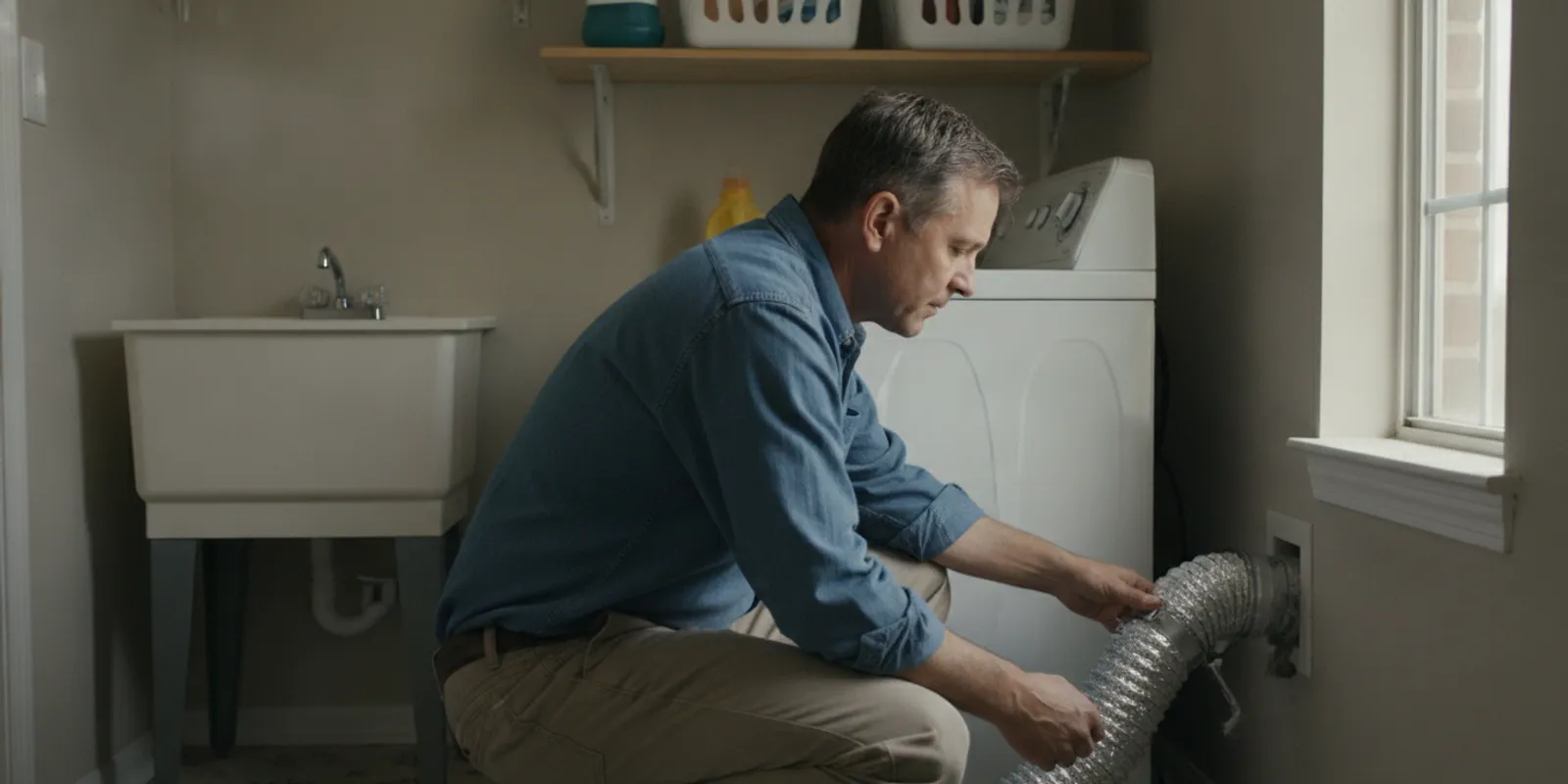
A dryer vent cleaning kit may help remove loose lint from a short, accessible section of duct, but it cannot confirm that the full vent is clear or correctly installed. If clothes take longer to dry, the dryer feels unusually hot, or lint keeps returning, a kit may not solve the underlying issue. This guide explains how to compare a kit with professional service and when it is safer to stop.
What does a dryer vent cleaning kit usually include?
Many kits contain flexible rods that connect together and a brush head sized for a household vent. Depending on the product, the brush may be turned by hand or attached to a drill. Some kits also include an adapter for a vacuum. Instructions differ, so the package is not a substitute for checking both the tool and appliance manuals.
Before buying, identify the kind of task the kit is intended to handle. A small brush for the transition duct behind the dryer is not necessarily intended for the entire route through a wall, ceiling, attic, or roof. Compare the listed maximum reach with the route you can actually identify. A tool that can physically extend a certain distance does not prove it can negotiate bends or clear debris at a termination.
- Read the kit manual for compatible duct types, rod connections, brush size, and whether powered rotation is permitted.
- Look for damage, loose fittings, or a worn brush before use.
- Check whether you can reach the intended opening and collect loosened lint without stretching or crushing the duct.
- Do not interpret rod length as confirmation that the whole vent was cleaned.
What can a kit do, and what might it miss?
A brush can loosen or gather lint where it contacts the inside of a reachable duct. A vacuum can collect some debris at an opening. The method may be practical for a simple, straight, accessible section when the product and appliance instructions allow it. It is less reassuring when the duct route is hidden, long, sharply bent, damaged, or difficult to reach.
Hidden sections create a basic visibility problem. You may not know whether the brush has passed a bend, whether a joint has separated, or whether lint is accumulating near the exterior hood. A brush can also push debris farther along rather than bring it back to the opening. If the vent is blocked by a foreign object, packed material, or a damaged section, brushing the part you can reach may leave the actual cause in place.
Cleaning and inspection are different tasks. A kit may remove material without showing whether the vent is routed appropriately, connected securely, or free of crushing. It cannot restore a disconnected duct or repair a damaged termination. For general dryer safety guidance, see the U.S. Fire Administration's home fire safety resources, and follow the specific instructions supplied with your dryer.
What signs suggest that a quick kit pass is not enough?
One symptom alone does not prove that lint is the cause. Still, a pattern of changes is useful information. Note whether drying takes longer than it used to, whether the appliance or laundry area seems unusually hot, and whether lint appears around the dryer connection or outside termination. A vent flap that does not move freely during normal operation can also be a reason to investigate, rather than assume a brush fixed the route.
- Longer drying: If a load needs repeated cycles, check the appliance guidance and consider whether airflow or another appliance issue needs assessment.
- Unusual heat: Stop if the dryer or nearby area becomes unusually hot. Do not keep running cycles as a test while a concerning condition remains.
- Persistent lint: Lint returning around a connection may point to a loose joint, a collection point, or incomplete cleaning.
- Visible damage: A crushed, torn, or detached transition duct needs attention beyond routine brushing.
- Resistance in the tool: Rods that repeatedly bind or a brush that will not move freely are a stop signal, not an invitation to push harder.
Write down what you notice, when it occurs, and which parts of the vent you can see. This small record helps distinguish an ongoing symptom from a one-time observation. If the dryer has an active burning smell or another urgent abnormal condition, stop using it and arrange appropriate help rather than attempting repeated DIY passes.
How do a DIY kit and professional cleaning compare?
The better choice depends on access, route complexity, the condition of visible connections, and whether a problem persists. A straightforward run that is easy to reach may suit a careful homeowner using a compatible kit and following its instructions. Professional service can be more appropriate when the route is hidden or complex, you cannot verify the endpoint, or cleaning alone may not explain the symptoms.
| Consideration | DIY kit | Professional service |
|---|---|---|
| Best fit | Short, reachable section with clear instructions | Complex access, persistent symptoms, or need to assess more of the route |
| What you can observe | Mostly the opening and whatever debris returns | Can include review of accessible route, visible connections, and termination |
| Equipment | Consumer rods, brush, and sometimes a vacuum adapter | Equipment chosen for the access and vent conditions |
| Limit | May not reveal hidden obstruction, separation, or damage | Cleaning does not automatically repair damage or resolve every appliance issue |
| When to pause | Tool binds, duct shifts, or safe reconnection is uncertain | Ask what was accessible, what was cleaned, and whether follow-up work is needed |
For an overview of what a visit can involve, read about professional dryer cleaning. You can also review the company's dryer vent cleaning service and service process. These pages can help you prepare questions; the right scope still depends on the conditions at your home.
What should you check before using a kit?
Start with the dryer and kit instructions, not with the drill. Confirm that the appliance is off, unplugged, and cool. Locate the vent connection and determine whether moving the dryer is necessary. If moving it could strain a gas line or another utility connection, do not attempt it yourself. Arrange qualified help instead.
- Identify the route. If you cannot tell where the vent runs or terminates, do not assume a rod can safely clean it. Hidden bends and long runs change what can be reached and checked.
- Check the tool's fit. The brush should suit the duct and the manual's instructions. Do not force an oversized head into a narrow or delicate section.
- Protect the connection. Move the dryer only enough to work, without pulling hard on the transition duct. Stop if the duct flexes, tears, or separates.
- Use controlled movement. Follow the manufacturer's method. If rods catch or the brush meets resistance, stop and reassess rather than adding force or speed.
- Contain what comes loose. Have a way to collect lint at the opening. Avoid allowing debris to scatter into the room or disappear into a section you cannot reach.
- Reconnect carefully. Reattach the vent as directed and check for visible gaps, kinks, or crushing. Never operate the dryer with the vent loose or disconnected.
- Observe cautiously. If a concerning symptom remains, stop using the appliance and seek an appropriate inspection rather than repeating the same procedure.
These steps are not a universal repair procedure. A dryer may require access beyond what the kit instructions cover, and some homes have vent routes that cannot be checked from the appliance opening. If you cannot confirm that the connection is secure or that the method is appropriate, do not guess.
What practical limits should Houston homeowners consider?
In Greater Houston homes, a dryer may vent through a wall or continue upward to a roof termination. The location of the outlet matters because access can be very different from one house to another. A ground-level exterior hood may be visible from a safe place; a roof outlet may not be safely reachable. Do not climb onto a roof or use unstable equipment just to complete a kit job.
Humidity, household laundry volume, appliance age, and duct layout can all affect what a homeowner observes, but a symptom does not identify its cause by itself. A slow load can involve an airflow restriction, a dryer maintenance issue, or another condition. Avoid buying increasingly long rods on the assumption that reach alone solves the diagnostic problem. First determine whether the route and the recommended method are known and safely accessible.
For example, consider two situations. In the first, the dryer backs up to an accessible exterior wall, the connection is intact, and the manufacturer permits a compatible brush for that section. A careful homeowner may be able to address loose lint in the limited area described by the manual. In the second, the duct disappears into a ceiling, the exterior opening is on a roof, and drying has worsened over several weeks. A short kit pass from the appliance cannot establish that the hidden run is clear; a closer assessment is more informative.
For residential homeowners comparing next steps, the contact page is a way to describe the layout and symptoms. EZ Attic Insulation provides residential dryer vent cleaning. Hablamos Español! You can also read the company's company information and browse the homeowner guides for related topics.
What questions should you ask about professional cleaning?
Clear questions help establish what a cleaning appointment covers. Describe where the dryer is, where you believe the vent exits, whether the route is accessible, and what has changed. Mention any unusual heat, repeated long cycles, visible lint, or signs of a loose connection. Ask whether the service can address the access conditions you describe and what happens if the inspection reveals damage rather than removable lint.
- Which parts of the vent route will be accessed and cleaned?
- Will the visible dryer connection and exterior termination be checked?
- How will loosened debris be contained and removed?
- What findings would mean cleaning is not enough?
- Will you explain areas that could not be reached or verified?
- If a damaged connection is found, what repair or qualified follow-up is appropriate?
Good answers should distinguish the work performed from what could not be observed. No cleaning method should be represented as a repair for a crushed duct, disconnected joint, or appliance fault. For more detail on a professional visit, return to the guide to professional dryer cleaning, then compare the described scope with your home's situation.
Frequently asked questions
Can a dryer vent cleaning kit clean the entire vent?
Not necessarily. The kit may clean accessible sections, but bends, long concealed runs, blockages, and the outlet may remain beyond view or reach. The product instructions and the actual route determine what is reasonable.
Should I attach the brush to a drill?
Only if the kit instructions explicitly allow powered rotation and you can use it without forcing the brush. Stop if the tool binds, the duct moves, or the brush does not turn freely. Follow the dryer manual as well.
What if clothes still take too long to dry after using a kit?
Do not assume that repeating the same pass will solve it. Stop and consider a fuller inspection of the vent and appliance, especially if the dryer is unusually hot or another warning sign appears.
Can I clean a roof-terminating vent myself?
Do not take unsafe roof access to reach a vent. A kit used from the dryer opening may not let you verify the outlet or clear the full route. Ask about a safe assessment suited to the access conditions.
Is brushing the same as repairing the duct?
No. A brush can loosen lint, but it cannot reattach a separated joint, replace damaged duct, or correct an appliance problem. Those findings call for the appropriate repair or further assessment.
Talk with a Texas insulation expert
A dryer vent cleaning kit may be useful for a limited, accessible job, but it is not proof that every section is clear or that the system is in good condition. EZ Attic Insulation is locally and family-owned, 100% Certified & Insured, and serves Greater Houston homeowners. Hablamos Español! Describe your vent route and symptoms to discuss a sensible next step.
Get in touch to discuss your vent
Contact EZ Attic Insulation to discuss residential dryer vent cleaning.