Crawl Space Insulation Cost: What Houston Homeowners Should Consider
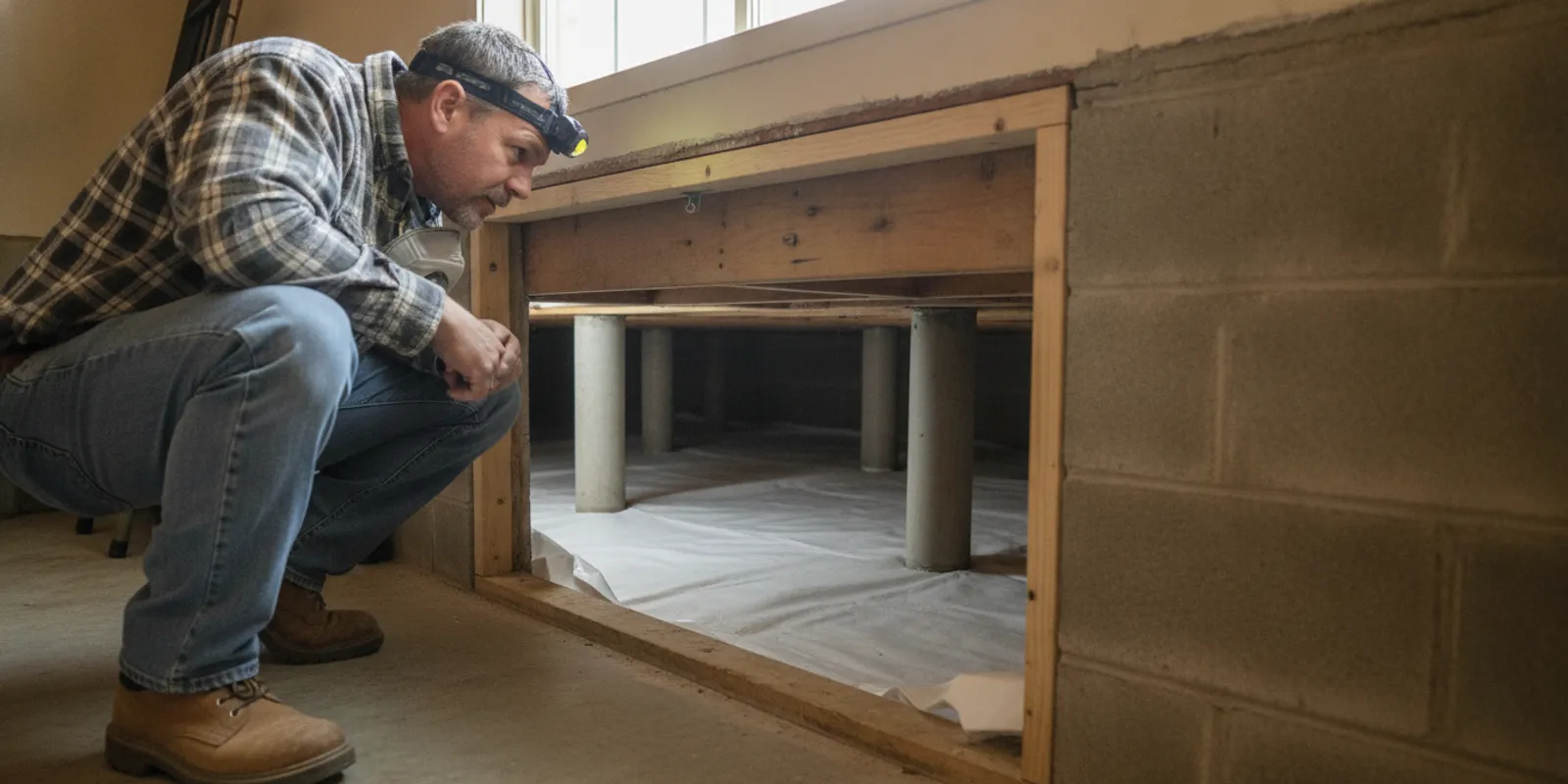
Crawl space insulation cost depends on more than the footprint of the home. In Houston, the entry opening, working clearance, moisture conditions, existing material, and the assembly being insulated can all affect the work. Knowing what changes a project scope helps you compare proposals fairly and avoid treating insulation as a fix for a separate water problem.
Ask the team about your home's insulation needs
What affects crawl space insulation cost?
A useful estimate is based on the conditions beneath the specific home, not only a square-foot measurement. Two crawl spaces with a similar footprint may require different preparation and installation work. One may have clear access and an open, consistent layout. Another may have low clearance, pipes and wiring in the way, damaged existing insulation, or evidence of water intrusion that must be addressed first.
The table below outlines common scope factors and questions to ask. It is a comparison tool, not a price list: without a site-specific assessment and defined scope, a dollar figure can leave out important work or assumptions.
| Scope factor | Why it can affect the work | Question to ask |
|---|---|---|
| Entry and clearance | A small opening, low areas, and obstacles can make inspection and installation slower. | Which areas can be reached, and are any excluded? |
| Moisture and drainage | Water entry or persistent dampness should be investigated before insulation is installed. | What condition needs attention first, and who handles it? |
| Assembly and ventilation | The plan may involve floor framing or foundation walls and must fit the home's overall design. | Which surfaces are included, and why is that approach appropriate? |
| Existing material | Material that is loose, wet, damaged, or in the way may require preparation or removal. | Will existing material stay, be prepared, or be removed? |
| Coverage and details | Irregular framing, utility lines, and excluded sections change the amount and method of work. | What area and installation details appear in the written scope? |
How can access and clearance change the estimate?
Crawl spaces are not always equally accessible from one end of a home to the other. An entry opening may be narrow, and clearance can drop around beams, piers, or ductwork. Plumbing, electrical wiring, and other components also need to be worked around. These conditions can affect how much of the space can be inspected and how material can be placed.
When comparing proposals, ask the estimator to identify the area they measured and the portions they could not inspect. Clarify whether the scope covers the full intended area, only reachable bays, or a specific section. If a portion is inaccessible, ask how that affects the stated coverage. Do not assume that a proposal includes every corner simply because it refers to the crawl space as a whole.
If you can safely take a photo from the entry without entering the space, it may help explain visible conditions during an initial conversation. Do not crawl into an area that appears unsafe or enter a confined space if you are unsure about its condition. A photo is useful context, not a substitute for an appropriate inspection.
Why should moisture and drainage be addressed first?
Insulation does not stop a plumbing leak, correct grading, or remove standing water. If water enters or collects below the home, identify and address the source before planning insulation. Installing material over an unresolved moisture problem does not correct the cause, and the crawl space may continue to experience damp conditions.
Look for visible pooling after rain, wet soil, plumbing drips, recurring dampness, or a persistent musty smell. Those observations alone do not establish the source or the right remedy. Ask the appropriate qualified professional to investigate water entry or drainage concerns. Keep that work distinct from insulation: a proposal for insulation does not automatically include water management, repairs, or remediation.
When you request an estimate, describe what you have seen and when it occurs. For example, note whether pooling appears after heavy rain or whether dampness is present in dry weather too. Ask the contractor what conditions they observed, what assumptions the insulation plan makes, and what must be corrected before installation. If the estimate excludes related repairs, have that exclusion stated plainly so you can plan the sequence.
For general environmental information, homeowners can also consult the U.S. Environmental Protection Agency at EPA.gov. Use an appropriate professional to assess a specific leak or moisture condition; general information cannot diagnose a particular crawl space.
How do ventilation and the building assembly matter?
A crawl space is part of the home's building assembly. The right insulation location depends on how the home is built and how moisture and ventilation are managed. Some projects may focus on the underside of the floor, while others may consider foundation walls. These are different approaches, and neither should be selected based only on the word “crawl space.”
Ask a contractor to name the surface that will be insulated and explain how the proposed work relates to the crawl space's existing ventilation. If a proposal includes changes to vents or airflow, ask what conditions support the recommendation and how those changes fit the complete assembly. Avoid assuming that closing vents, opening vents, or changing airflow is a routine part of every insulation job.
This is one reason two estimates can look different even when they refer to the same home. If one scope covers the floor framing and another covers foundation walls, compare the reasoning and the complete set of assumptions before comparing totals. The guide to insulation types can provide broader context about insulation materials, but it does not determine the right crawl-space assembly for your house.
What should you check about existing insulation?
Existing insulation may be missing, intact, displaced, wet, or damaged. Its condition can change the preparation needed and whether new material can be installed as proposed. A written scope should say what happens to the material already in place instead of leaving you to infer it from a general description.
- If it stays: Ask whether it is in suitable condition, how the new work will be placed, and whether the existing material blocks inspection or access to components.
- If it needs preparation: Find out what preparation is included and which condition it is intended to address.
- If removal is proposed: Ask what material and area are included, how debris will be handled, and whether cleanup is part of the scope.
- If it is wet or damaged: Clarify whether the cause has been identified and corrected before the new work proceeds.
Make sure the proposal distinguishes insulation installation from removal, cleanup, and any repair work. If the existing material will remain, ask how the installer plans to avoid covering an unresolved issue or obstructing access to important parts of the home.
How can you compare estimates on the same basis?
Start by checking whether the proposals describe the same project. A lower total may reflect a smaller covered area, different preparation, or an excluded task. A higher total may include steps another proposal leaves out. Request written answers to these questions before deciding:
- What exact area and assembly will be insulated?
- What material and installation method are specified?
- What preparation is included, and what existing material will remain or be removed?
- How are tight-access sections, utility obstacles, and excluded areas handled?
- Were signs of water or dampness observed, and what needs to be resolved before installation?
- Does the scope change ventilation? If so, what is the reason and what work is included?
- What cleanup is included, and what condition should the crawl space be in when work is complete?
- What assumptions could change the scope after work begins, and how will any change be discussed?
For example, imagine one proposal includes the accessible floor bays but excludes the area behind a low beam, while another proposes insulation at the foundation walls and includes preparation. The totals do not tell you which is the better comparison. First decide whether the proposed assemblies suit the house, then compare coverage, preparation, exclusions, and final condition. Ask each provider to clarify any difference you cannot reconcile.
Review the company's project process and its service overview for general background, then confirm directly whether the specific crawl-space work you need is currently offered. A listed service in another part of the home does not by itself establish that crawl-space installation is included.
What should Houston homeowners prepare before requesting an estimate?
A little preparation makes the initial conversation more focused. Gather the approximate age of the home, the location and size of the access opening if known, whether existing insulation is visible, and any observations about dampness or water. Note when the issue occurs and whether it is limited to one part of the crawl space. You do not need to diagnose the cause before asking for an assessment.
It also helps to describe the outcome you are looking for. You might be concerned about the feel of rooms above the crawl space, the state of material you can see from the entry, or a recurring damp condition. Keep the observed symptom separate from the solution you suspect. For instance, instead of requesting a particular ventilation change, explain what you have noticed and ask what assessment is needed.
Take photos only from a safe position. Do not move pipes or wiring, disturb existing insulation, or enter an area that may be unsafe. If you have had a water event or repair, share that history and any relevant details. The more clearly the site conditions are described, the easier it is to identify what an estimate can cover and what may need separate evaluation.
EZ Attic Insulation serves Greater Houston homeowners and positions itself as Texas Insulation Experts. The company describes itself as 100% Certified & Insured and BBB A+ accredited. Its company information and Houston insulation page offer background on its work, but ask whether crawl-space insulation is within the current scope before treating it as an available service.
What should a written crawl-space estimate spell out?
A written estimate should let you picture the planned work without relying on a verbal summary. Look for the location and boundaries of the area, the assembly to be insulated, the material and installation method, and the preparation that is included. Check whether the scope names excluded sections or conditions that could change the work. If it uses broad phrases such as “insulate crawl space,” ask for specific coverage details.
Next, separate the core installation from related tasks. Removal of old material, disposal, cleanup, repairs, moisture control, and ventilation changes should be named rather than assumed. If another professional must handle a water or drainage issue first, clarify what needs to happen before insulation begins. Ask how a change in discovered conditions will be explained and approved before the scope expands.
Consider a hypothetical comparison: Proposal A covers reachable floor bays and leaves old material in place; Proposal B includes removal in one section and insulation at foundation walls. Those descriptions represent different work, even if both use similar wording in a headline. Ask each provider to state the intended outcome, coverage, exclusions, and sequencing. Then compare equivalent scopes or decide which scope better matches the home's conditions. This step is more useful than choosing by a headline total alone.
Get in touch to discuss your project scope
Frequently asked questions
Can I estimate crawl space insulation cost from square footage alone?
Square footage is one input, but it does not show access limits, the condition of existing material, obstacles, moisture concerns, or which assembly the plan covers. A defined, site-specific scope is needed for a meaningful estimate.
Should insulation be installed when there is standing water?
Do not treat insulation as a solution to standing water. Identify and address the water or drainage problem first, then reassess the space and the appropriate insulation plan.
Does every crawl space need the same ventilation approach?
No. The appropriate approach depends on the home's construction and moisture strategy. Ask for a clear explanation before making ventilation changes or choosing an insulation location.
Does an insulation estimate include removal of old material?
Not necessarily. Confirm in writing whether existing material stays, is prepared, or is removed, and whether debris handling and cleanup are included.
Can I compare two estimates if they cover different assemblies?
Not by looking at their totals alone. First understand why each assembly was proposed, then compare the area, materials, preparation, exclusions, and related work on equivalent terms.
Talk with a Texas insulation expert
Hablamos Español! Ask EZ Attic Insulation about your home, share what you have observed, and confirm whether the crawl-space work you need fits its current service scope. Browse the insulation guides for more homeowner information.
Call (713) 909-0390
Contact the team to discuss what information is needed for a project-specific conversation.