Attic Air Sealing Cost: What Houston Homeowners Should Know
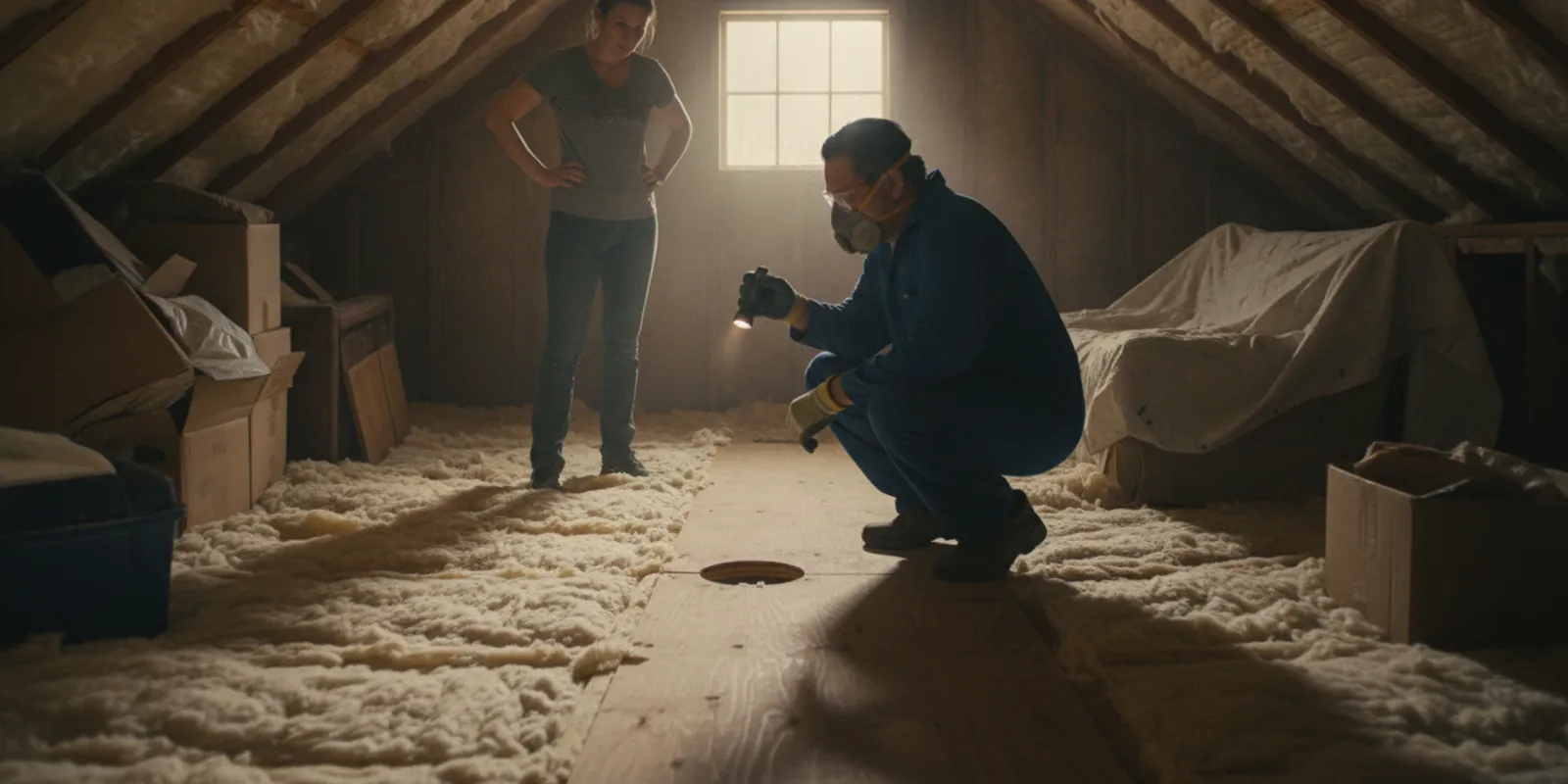
Attic air sealing cost can vary from one Houston home to another because the amount of work depends on where air is moving, how easy those areas are to reach, and what condition the attic is in. A quick look at a home’s square footage cannot show how many gaps need attention or whether the work area is accessible. Before comparing estimates, understand what an air-sealing scope should describe—and how it differs from adding insulation.
What does attic air sealing cover?
Air sealing means closing unwanted openings that allow air to pass between the home and attic. The locations can include gaps around pipes, wiring, ceiling fixtures, framing transitions, or an attic access opening. The right materials and approach depend on the specific location and conditions; one material is not suitable for every opening.
Air sealing is not the same as adding insulation. Insulation slows heat transfer through building materials. Air sealing addresses gaps where air can move. A home may need one, the other, or both, but they serve different purposes. For a useful overview of insulation approaches, see our guide to attic insulation types in Houston.
Do not assume that a quote for new insulation includes air sealing, or that a sealing estimate includes installing insulation. Ask for each task to be listed separately. That makes the scope clearer and helps you compare proposals on the same basis.
Homeowners can make their observations more useful by noting which rooms feel uncomfortable, when the issue is most noticeable, and whether it changes with weather or heating and cooling use. These notes can help an estimator understand the concern, but they do not identify the cause on their own. Avoid assuming every draft comes from the attic; windows, doors, ductwork, and other parts of a home may also be involved. Ask the estimator to explain how the proposed attic work relates to the conditions they actually inspected.
It can also help to check whether the attic hatch closes properly and whether visible insulation appears displaced near it, without entering an unsafe space or disturbing materials. Treat such observations as questions for a qualified professional, not a diagnosis. If you already have a recent insulation estimate, share it with the estimator and ask whether it specifies air sealing separately. Clear notes and documents can make the discussion more concrete without turning a preliminary conversation into a guess about the final scope.
Why can attic air sealing cost differ from home to home?
There is no single reliable price for every Houston attic. A contractor needs to understand the work area and define the tasks before estimating. These are common factors that can change the amount of labor, materials, and preparation involved:
- Number and type of openings: A few accessible gaps are different from many separate penetrations or long seams. The material and care needed can also vary by location.
- Access: An open, walkable work area may be simpler to reach than a tight space with obstructions, low clearance, or limited entry. Restricted access can affect setup and the time required.
- Attic condition: Existing insulation, stored items, debris, visible moisture, or damaged areas may affect what can be inspected and whether preparation is needed. Ask how any such condition changes the proposed scope.
- Ceiling features: Recessed fixtures, plumbing, wiring, ductwork, and attic hatches can require careful attention. Conditions near heat-producing equipment may call for specific clearances and methods.
- Preparation and cleanup: Clarify whether moving or protecting materials, handling displaced insulation, and cleaning up are included. Do not assume these tasks are part of every proposal.
- Work sequencing: If insulation is present, the contractor may need to explain whether the work can be completed as-is or whether insulation must be moved and replaced. Ask who is responsible for each step.
- Verification and documentation: Some proposals identify the locations addressed and how the work will be checked. Understand what the contractor will document and what is outside the scope.
Square footage can help describe the home, but it does not by itself tell you how many attic leaks exist. A room-by-room or location-based inspection is more useful for defining the job than a broad estimate based only on the home’s size.
How do access and the number of penetrations affect the work?
Access matters because an opening must be located and reached safely before it can be treated. A visible gap near the attic entrance may take less effort to reach than an opening behind stored items or in a narrow section of the attic. In some homes, the attic floor is not safe to walk across except at framing members. Avoid stepping onto drywall or moving through an unfamiliar attic without knowing where it is safe to stand.
The number of penetrations matters because each location takes inspection and attention. A home with many ceiling penetrations may need a more detailed scope than one with only a few obvious openings. A good estimate should say whether it covers a defined list of locations, a specified area, or another clearly explained scope. “Seal the attic” is too vague to tell you what work is included.
Ask the estimator to identify the locations that are included and note any that could not be reached or assessed. If an opening is not included, have the reason recorded. That makes it easier to understand the limits of the work and reduces the chance that you expect one thing while the contractor priced another.
What should an attic air-sealing estimate include?
Rather than comparing a single total, compare the work behind each estimate. A written scope lets you see whether two proposals cover similar locations, access needs, materials, and preparation. If details are missing, ask questions before approving the work.
| Estimate detail | What to check | Why it matters |
|---|---|---|
| Locations | Which gaps, penetrations, or transitions are included? | Shows the actual work being proposed. |
| Access and preparation | How will the crew reach the work, and is moving or protecting material included? | Clarifies added steps and limitations. |
| Materials and method | What approach is planned at each type of opening? | Different locations may require different treatment. |
| Insulation coordination | Is insulation removal, moving, or replacement included—or excluded? | Separates air sealing from insulation work. |
| Cleanup and exclusions | What cleanup is included, and what conditions are excluded? | Helps prevent scope surprises. |
| Changes and completion | How will newly found conditions or completed work be documented? | Sets expectations if the scope needs to change. |
For each contractor, ask the same questions and request a written answer. A lower total may reflect fewer included locations or omitted preparation rather than a better value. A higher total may include more work, but confirm that the added tasks are relevant to your home. Compare quality, clarity, and scope—not just the bottom line. EZ Attic Insulation’s stated value approach is to match or beat a competitor’s pricing; ask what is included in any estimate so that a comparison is like for like. For more related homeowner guidance, browse the company’s attic and insulation articles.
How can Houston homeowners compare estimates?
- Start with the same problem statement. Tell each estimator what you have noticed, such as rooms that feel drafty or temperature differences between floors. These observations can guide an inspection, but do not prove a specific attic problem by themselves.
- Request a site-specific assessment. Ask the estimator to inspect accessible areas and identify the openings the proposed work addresses. A general price without a defined scope is hard to compare.
- Separate related work. Have air sealing and insulation work itemized. If the proposal includes moving or replacing insulation, ask exactly where, why, and how those tasks relate to the air-sealing work.
- Review exclusions and conditions. Ask what happens if the crew finds a blocked area, unexpected damage, or another condition that changes the work. Get approval before additional work is performed.
- Compare the written details. Put the included locations, access, materials, preparation, cleanup, and exclusions side by side. Ask for a revision if a proposal is too general.
- Check the company and communication. Confirm who will perform the work, how questions will be handled, and what the company’s published process includes. EZ Attic Insulation describes itself as 100% Certified & Insured; homeowners should still ask any provider to clarify the credentials and coverage relevant to the proposed project.
For broader background on home energy improvements and ways to reduce unwanted air movement, consult the U.S. Department of Energy. General guidance is not a substitute for an inspection of your home, and the right project depends on the conditions found there.
What should you check before work begins?
Before approving a proposal, make sure you can explain what is being done and what is not. Confirm the areas included, whether existing insulation will be disturbed, how the crew will access the work, and how changes will be approved. If you have stored items, ask whether they need to be moved before the appointment and who is responsible for protecting them.
Do not enter an attic if you see exposed wiring, signs of moisture, unstable decking, or other conditions that may be unsafe. Let the contractor know what you observed and ask how it affects the assessment. Avoid covering a suspected moisture or ventilation issue without understanding its cause. An air-sealing job should not be treated as a substitute for diagnosing a separate building concern.
Keep a copy of the estimate and any written changes. After the work, ask which locations were completed and whether any planned areas were inaccessible. This simple record can help you understand the finished scope and decide what questions remain.
Frequently asked questions
Is attic air sealing the same as adding insulation?
No. Air sealing closes openings that allow air to pass. Insulation slows heat transfer. They may be coordinated in a project, but one does not automatically include the other. Ask for both tasks to be described separately in the estimate.
Can I estimate attic air sealing cost from my home’s square footage?
Square footage alone is not enough to establish the work. The number and location of openings, access, existing conditions, preparation, and the proposed scope all matter. A site-specific estimate is more useful than applying a generic price per square foot.
Why do two estimates for the same home differ?
They may cover different locations, materials, preparation, insulation handling, or cleanup. One contractor may also identify access constraints or conditions that another has not included. Compare the written scope line by line and ask each provider to explain exclusions.
Should an estimate list every opening?
It should be clear enough for you to understand which locations and tasks are included, even if the contractor groups similar work together. Ask how inaccessible areas and newly discovered conditions will be handled, and request written clarification for anything ambiguous.
Does an air-sealing estimate include insulation work?
Not necessarily. Air sealing and insulation are distinct tasks. Confirm whether existing insulation will be moved, removed, replaced, or left in place, and whether any insulation work is included in the quoted scope.
Call to discuss your attic project
Talk with a Texas insulation expert
EZ Attic Insulation is a locally and family-owned Texas home efficiency company serving Greater Houston. We are Texas Insulation Experts, and Hablamos Español! Ask our team whether the work you have in mind fits the company’s current service scope. Homeowners can also review the company’s Houston attic insulation service information and ask how any insulation work differs from air sealing.
Call EZ Attic Insulation at (713) 909-0390 to ask a question or discuss your next step; clear scope details are the best place to start comparing estimates.