Houston attic ventilation installation
Roof Vent Installation for Houston Homes
Roof vent installation is not a one-size-fits-all fix. Houston attics face long periods of heat, and the right ventilation plan depends on the roof design, existing intake and exhaust paths, insulation, and the comfort or moisture concern you are noticing. EZ Attic Insulation evaluates the attic and explains the next step for your home.
Hablamos Español! · 100% certified and insured

Serving Houston and Greater Houston homeowners.
1,000+
homes insulated
1M+
sq. ft. installed
A+
BBB A+ accredited
100%
certified and insured
Start with the home
Roof ventilation decisions should start with the home.
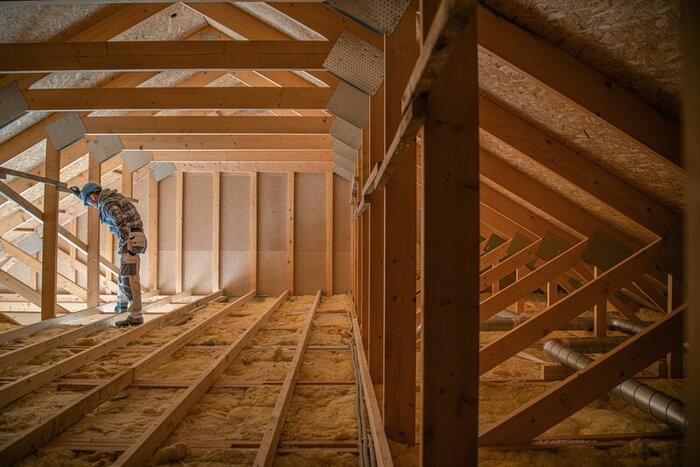
Attic heat, uneven upstairs comfort, and moisture concerns can have more than one possible cause. A roof vent or attic fan may be part of the answer, but the existing insulation, air-sealing condition, ductwork, roof design, and available intake also matter. The goal is to understand the conditions before choosing an installation path.
What to notice
Signs your attic ventilation deserves a closer look.
These signs do not identify one guaranteed cause. They are useful context for a conversation about the roof, attic, insulation, and comfort conditions already in place.
- Upstairs rooms stay hot even when the air conditioner is running.
- Heat seems trapped in the attic and comfort changes from room to room.
- You notice musty odors, condensation concerns, or signs that the attic needs better airflow.
- Existing roof vents, intake openings, or an attic fan appear damaged, blocked, or outdated.
A property-specific approach
A ventilation plan built for the actual roof and attic.
A useful recommendation starts with the conditions already in place. EZ Attic connects the roof and attic observations to the comfort issue instead of assuming that adding one vent will solve every problem.
- Step 1
Inspect the current airflow path
Review the attic access, insulation coverage, roof and intake ventilation that can be observed, and the symptoms you are experiencing below the attic. The inspection helps separate a ventilation question from an insulation, air-sealing, moisture, or HVAC concern.
- Step 2
Compare the right installation path
Depending on the home, the conversation may include roof vent improvements, intake and exhaust balance, or an attic fan such as a solar attic fan. The recommendation should fit the roof design, existing components, and agreed project scope.
- Step 3
Install the agreed solution and review the result
Protect the work area, complete the agreed installation, and explain what was changed and what to watch for afterward. Ventilation works as part of the attic system, so the final guidance stays specific to the property rather than promising the same result for every home.
Look at the attic system
What the evaluation connects.
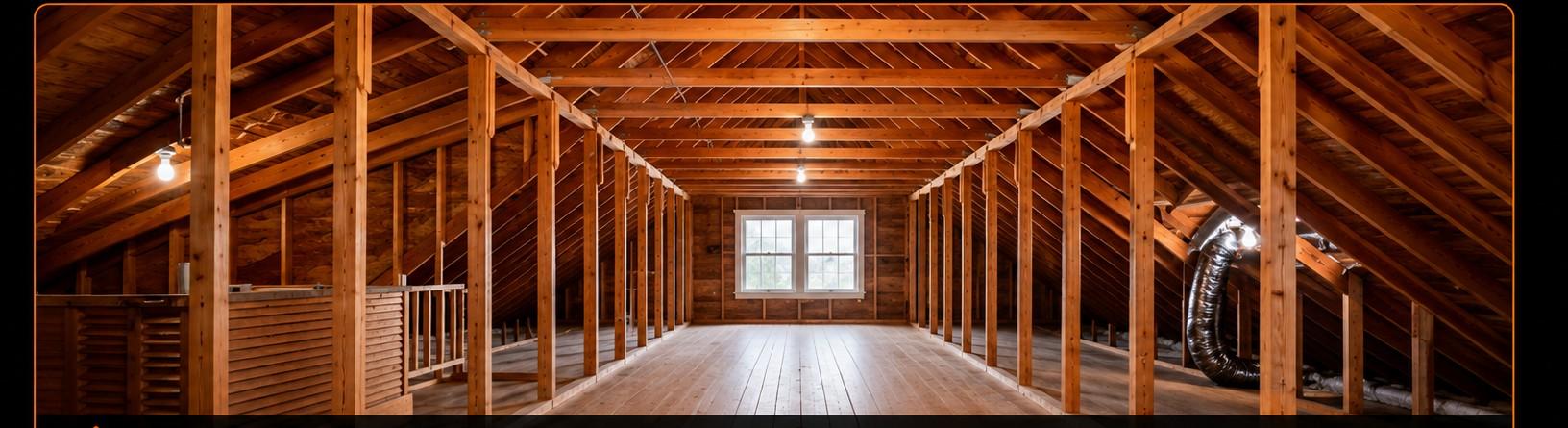
The conversation should connect the roof and attic conditions to what you are feeling inside the home. That can include where the attic receives intake air, how exhaust openings are arranged, whether insulation is covering the intended areas, and whether access or existing components limit the available options.
- Roof design: the roof shape and existing vent locations affect which changes can be considered.
- Intake and exhaust: airflow works as a system, so one new opening should not be treated as a complete answer by itself.
- Insulation and air sealing: thin coverage or air movement can influence comfort even when ventilation is part of the concern.
- Moisture and equipment context: condensation, ductwork, windows, and HVAC conditions may need separate attention.
Before work begins, the agreed scope should be clear: what will be installed, which existing conditions are included in the recommendation, and what the homeowner should expect during the visit. This keeps the page useful for both homeowners comparing options and ready-to-act customers asking for a property-specific next step.
Texas home-comfort expertise
What better attic airflow can support.
A property-specific ventilation plan can support a clearer understanding of heat that builds up above living areas, how ventilation and insulation work together, and what practical next step makes sense when an existing vent or attic fan needs attention.
Ventilation is one part of home comfort. If the attic also has thin insulation, air leaks, damaged ductwork, moisture intrusion, or equipment issues, those conditions may need a separate recommendation. No single installation is presented as a guaranteed temperature solution.
- Locally and family owned in Texas
- 1,000+ homes insulated
- 1M+ sq. ft. installed
- BBB A+ accredited
- 100% certified and insured
Houston service area
Roof vent installation for Houston and Greater Houston.
EZ Attic Insulation serves homeowners across Greater Houston, including Houston, Tomball, Sugar Land, The Woodlands, Pearland, Katy, Cypress, Spring, and Humble. The team looks at the property and the concern you describe before recommending the right scope.
Common questions
Answers before you book.
Do I need a roof vent or an attic fan?
It depends on the roof design, existing intake and exhaust paths, attic size, insulation, and the problem you are trying to solve. An assessment can help determine whether a roof ventilation change, an attic fan, insulation work, or another evaluation is the better next step.
Will roof vent installation make every upstairs room cooler?
Not necessarily. Ventilation can help manage attic heat, but room comfort also depends on insulation, air sealing, ductwork, windows, HVAC performance, and other home conditions. EZ Attic keeps the recommendation property-specific and does not promise a guaranteed temperature change.
Can you install ventilation on any Houston roof?
Roof construction, existing components, access, and the condition of the attic all affect what is appropriate. The team reviews those conditions before confirming an installation path and scope.
How do I ask about roof vent installation in Houston?
Use Book Now to choose a booking path, or select Get Quote to send the project details through the contact form. You can also call (713) 909-0390. Share what you are noticing, such as hot upstairs rooms, a damaged vent, or an attic fan question, so the team can start with the right context.
Ready for a clearer attic ventilation plan?
Tell EZ Attic what feels wrong in your Houston-area home.
We will help you identify the next step for the roof and attic conditions you are dealing with.